French Wine Tour — Travel Planning Schengen · Remich canton
The route →
Home / Luxembourg Moselle / Schengen
Village · Remich canton

Schengen

The tiny wine village where Europe's internal borders fell in 1985 — now home to the European Museum and the agreement monument.
Signed 14 June 1985On the Princesse Marie-AstridBest Apr–Oct
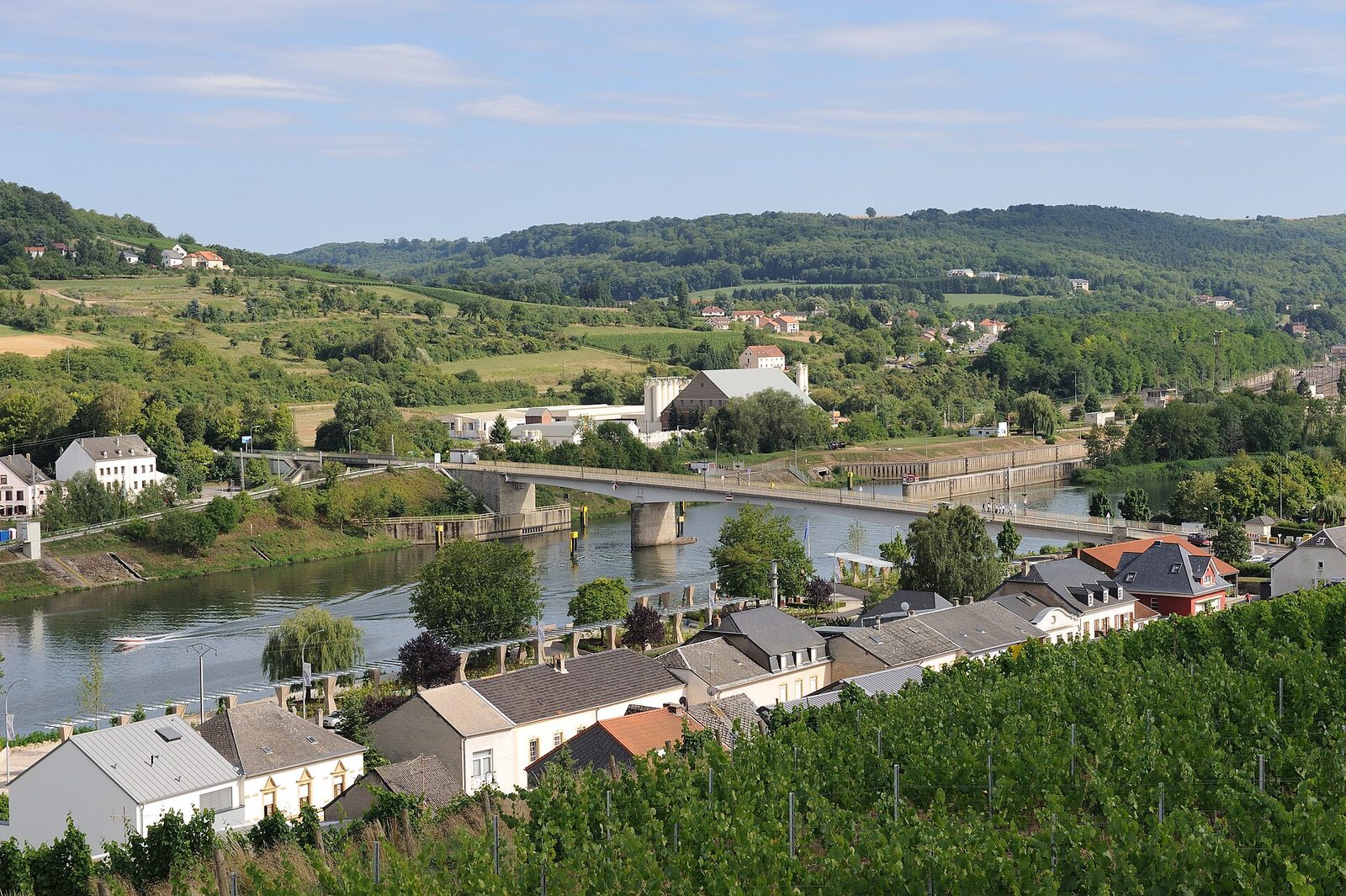
Luxembourg Schengen from Markusberg a
Signed
14 June 1985
Aboard a boat on the Moselle here
Museum
European Museum
Opened 2010; interactive
Monument
1997
Steel columns with brass stars
Nearby
Haff Réimech
Bird reserve & Biodiversum

The village

Schengen sits at the three-country corner where Luxembourg, Germany and France meet, at the southern tip of the Luxembourg Moselle. On 14 June 1985, aboard the Princesse Marie-Astrid on the Moselle here, five countries signed the Schengen Agreement that created today's borderless travel zone — and gave it the village's name (source: Luxembourg-Moselle-Wine-Region-research.md).

The European Museum (opened 2010) tells the story beside the castle, with the steel-column monument marking the signing site. Just north lie the Biodiversum nature centre and the Lac de Remerschen beach in a major bird reserve (source: Luxembourg-Moselle-Wine-Region-research.md).
What to see
  • 01European Museum SchengenInteractive museum on the 1985 agreement; free to low-cost.
  • 02Schengen Agreement monumentThree steel columns with brass stars at the signing site.
  • 03Biodiversum Haff RéimechFuturistic nature centre in a birdwatching reserve.
  • 04Lac de RemerschenGravel-pit lakes with a summer beach and trails.
Eat, taste & stay
Stay · castle

Hôtel Château de Schengen

on the Moselle bank
Domaine Sunnen-Hoffmann
Taste · organic

Domaine Sunnen-Hoffmann

first organic estate, Remerschen
See · art

Valentiny Foundation

modern art & architecture, Remerschen
Our notesWhere the borders fell

A pilgrimage stop for anyone who values open Europe — small, but the museum and monument are genuinely moving, and the bird reserve and lakes make a half-day.

Pair the museum with a Remerschen tasting.

§From the wiki

Schengen sits at the southern end of the Luxembourg Moselle, at the three-country corner where Luxembourg, Germany and France meet. On 14 June 1985, aboard the boat Princesse Marie-Astrid moored on the Moselle here, five countries signed the Schengen Agreement that created today's borderless travel zone — and the village gave the zone its name (source: Luxembourg-Moselle-Wine-Region-research.md).

What to see

  • European Museum Schengen — an interactive museum (opened 2010) on the 1985 agreement and the building of borderless Europe; free to low-cost, beside the castle.
  • Monument "Schengen Agreement" — three Cor-Ten steel columns topped with brass stars (erected 1997) marking the signing site on the Place de l'Accord de Schengen.
  • Biodiversum Haff Réimech — a futuristic nature centre on an artificial island in a major birdwatching reserve, just north towards Wintrange.
  • Lac de Remerschen (Baggerweier) — gravel-pit lakes with a summer beach and walking trails amid the bird reserve (source: Luxembourg-Moselle-Wine-Region-research.md).

Eat, taste & stay

  • Stay · Hôtel Château de Schengen — sleep in a castle on the Moselle bank in the village where Europe's borders fell.
  • Taste · Domaine Sunnen-Hoffmann — the Moselle's first certified-organic estate (organic since 2001), with tastings just up the valley in Remerschen.
  • See · Valentiny Foundation — architect François Valentiny's foundation showcasing modern art and architecture, in Remerschen (source: Luxembourg-Moselle-Wine-Region-research.md).

Getting around

Schengen is on RGTR bus line 175 and has a RentaBike station; the PC3 cycle path reaches it at the valley's southern end. As elsewhere in the valley, bus frequency drops on evenings and weekends (source: Luxembourg-Moselle-Wine-Region-research.md).

Related pages