Route des Grands Crus
60 km
Dijon → Santenay · est. 1937
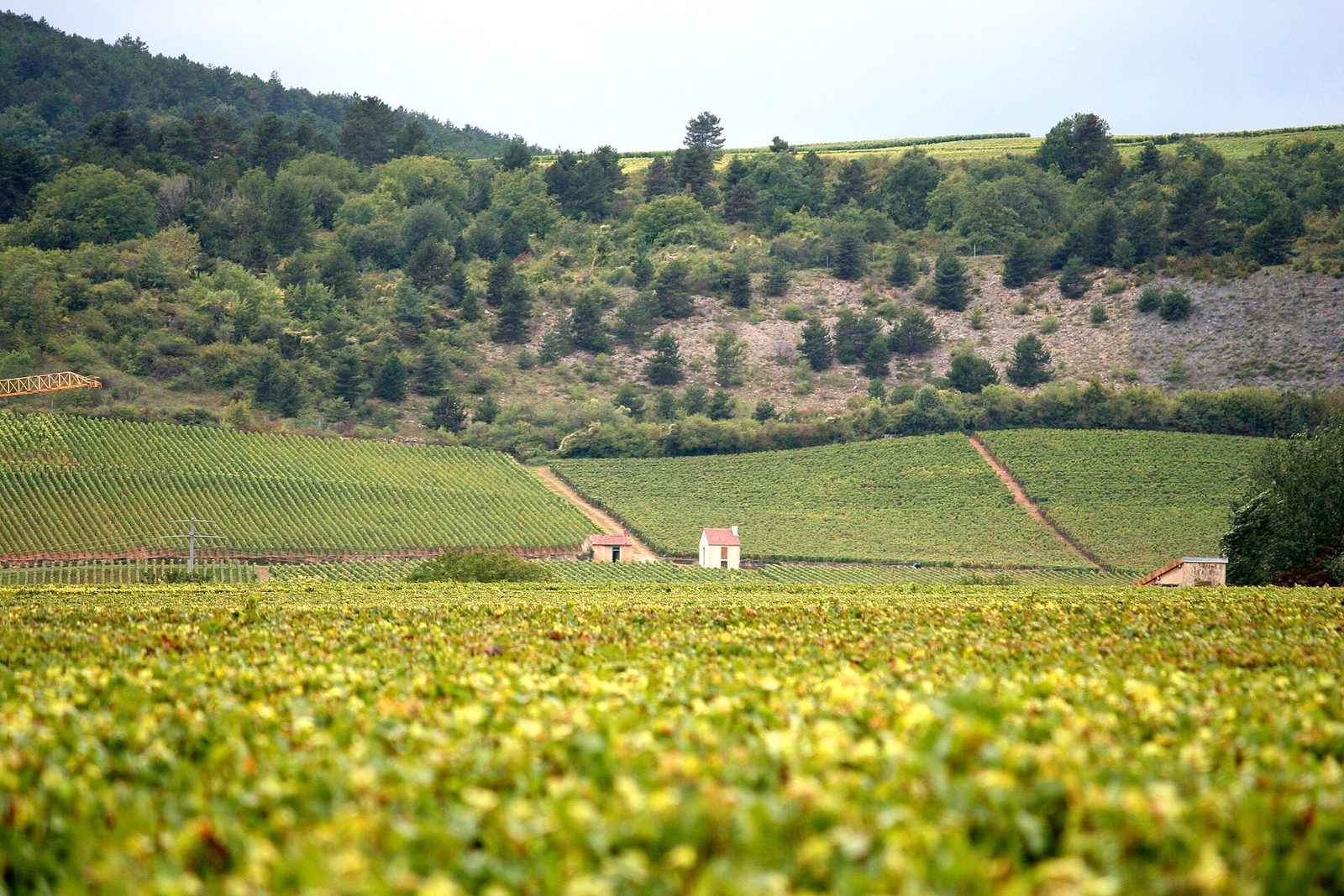
A long, narrow patchwork of vineyards obsessed with terroir, where a single plot can define a wine. The Route des Grands Crus — France's first wine route — runs sixty kilometres from Dijon to Santenay through the climats of the Côte d'Or, a UNESCO World Heritage Site.
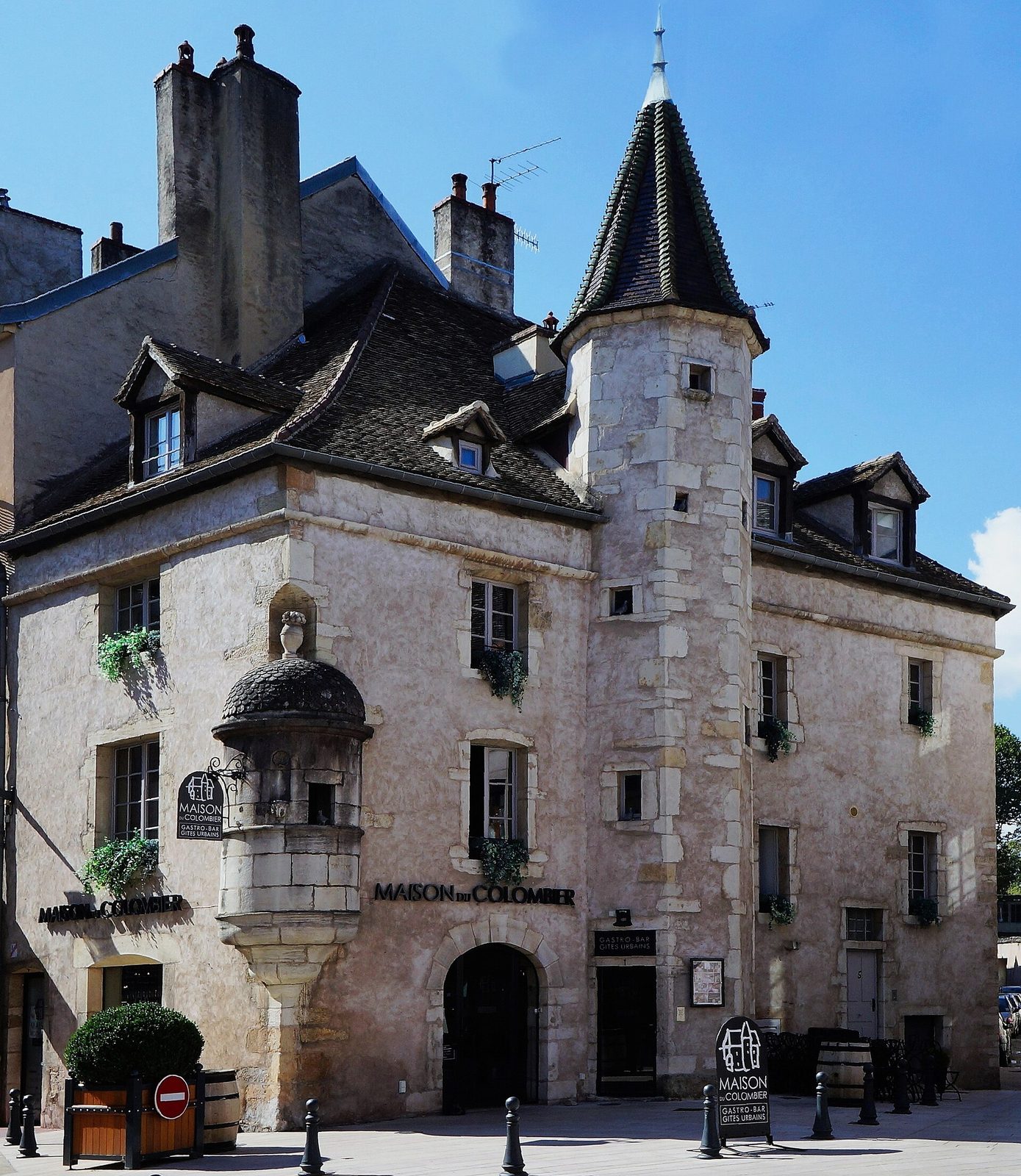
The walled wine capital and ideal base — the Hospices, the Cité des Climats and négociant cellars on foot.
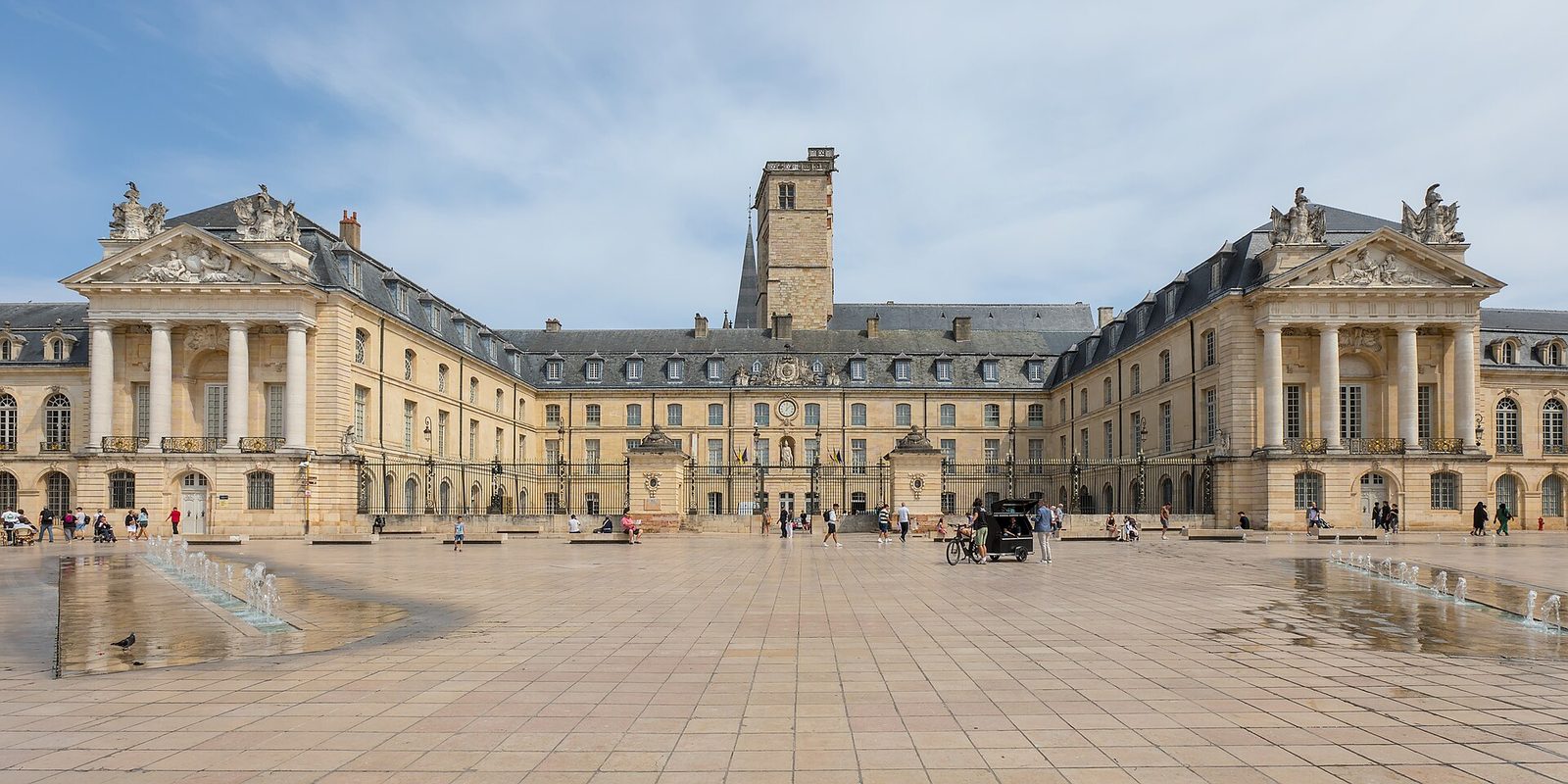
The ducal capital at the route's northern end — the Owl Trail, mustard, and the Palace of the Dukes.
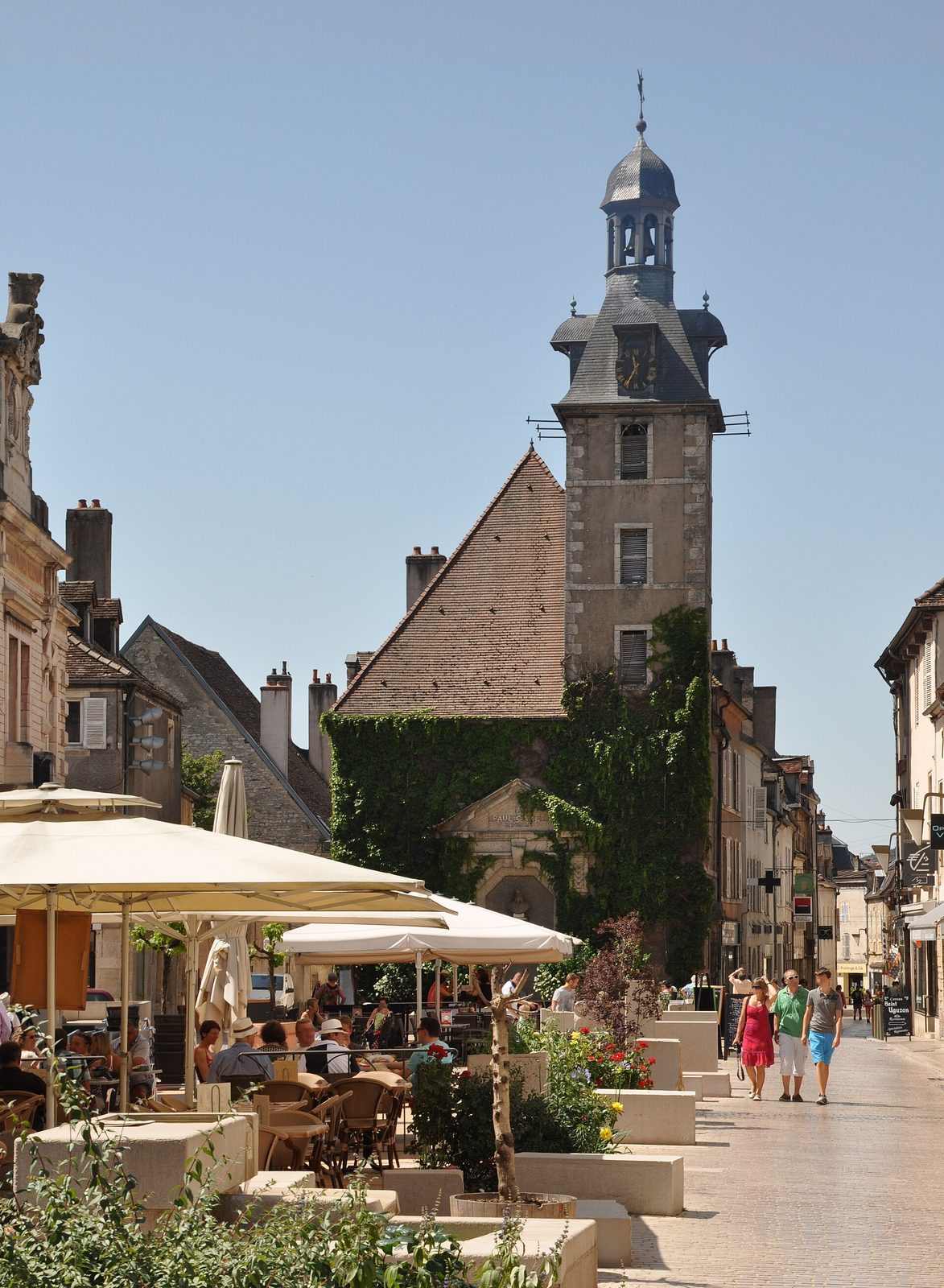
Côte de Nuits hub and home of Louis Bouillot's “La Verrière” Crémant house.
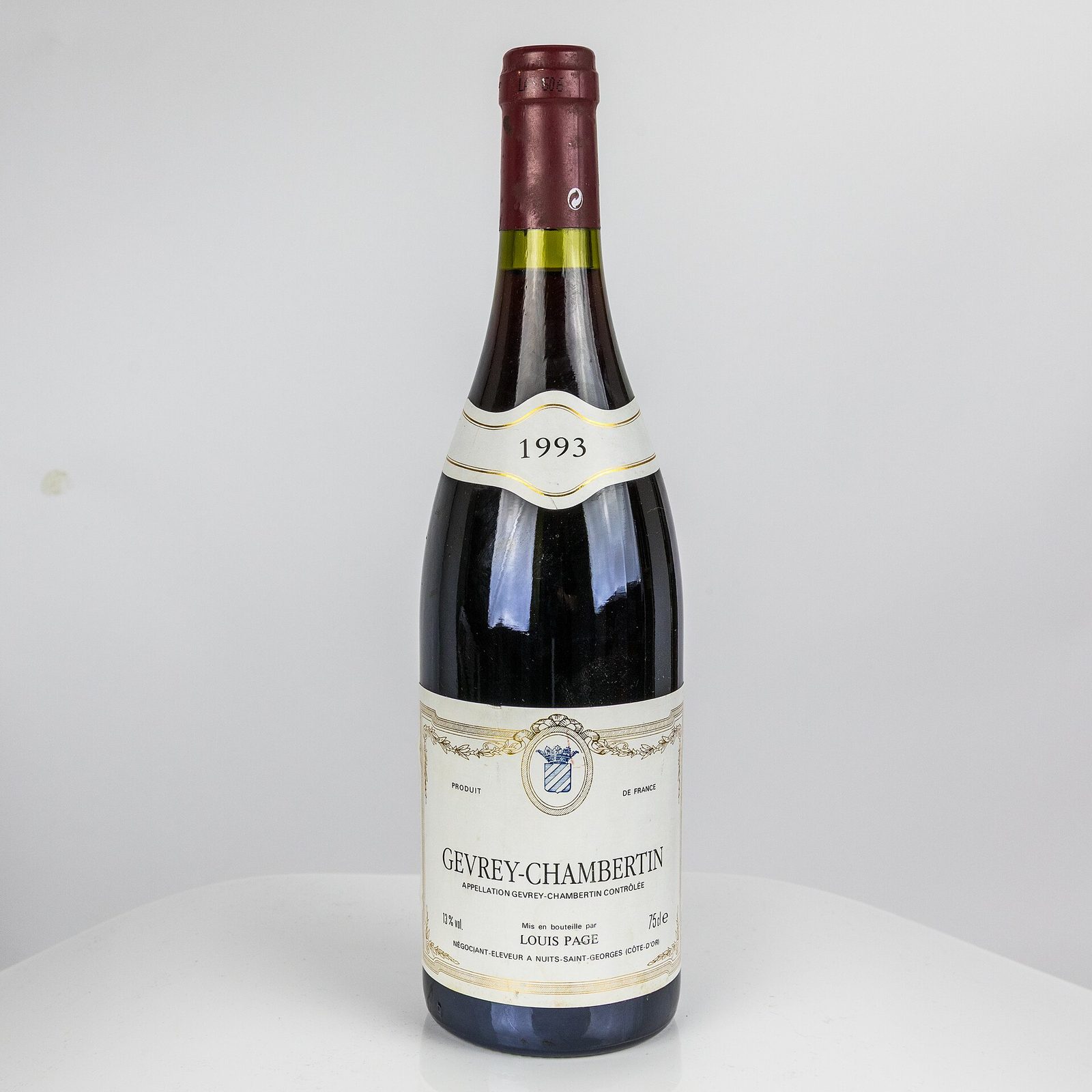
Côte de Nuits village of nine Grands Crus — the red-wine pilgrimage.
| Wine | Why it matters |
|---|---|
Pinot Noir Red · the Côte d'Or | Structured in Pommard, silky in Volnay. |
Chardonnay White · benchmark | Crisp in Chablis, rich in Meursault. |
Aligoté White | The Kir grape; village AOC at Bouzeron. |
Crémant de Bourgogne Sparkling | Traditional-method; AOC since 1975. |
Burgundy carries no ancestral line for this group — its draw is the glass. The standout is Louis Bouillot's “La Verrière” house in Nuits-Saint-Georges, whose “Perle de Vigne” Crémant blends all four Burgundy grapes; it's the party's special interest on the southern leg.
Burgundy (Bourgogne) is a long, narrow patchwork of vineyards in east-central France, **obsessed with terroir — the idea that a specific plot of land defines the wine (source: compass_artifact_wf-5af489e6...). Unlike Alsace's single signposted route, Burgundy has several wine routes; the most famous is the Route des Grands Crus. Its vineyards are subdivided into climats** (a UNESCO World Heritage site).
Overwhelmingly Pinot Noir and Chardonnay, plus Aligoté and Gamay, and the traditional-method sparkling Crémant de Bourgogne (source).
Wine Folly's verdict: "the most expensive Pinot Noir and Chardonnay in the world come from Burgundy." Its Pinot Noir "smells of cranberry-like fruits, roses, and mushrooms," while the whites range from the unoaked style of Chablis to "the ultimate French Chardonnay" of the Côte de Beaune (source: European Wine Exploration Map _ Wine Folly.pdf). For the everyday Gamay counterpoint just to the south, see Beaujolais.
Easy from Paris: Gare de Lyon → Dijon in ~1h32 (TGV Lyria, ~10 direct/day), then Dijon → Beaune in ~18–30 min by TER. Driving from Paris is ~3h via the A6; useful airports are Lyon-Saint-Exupéry and Geneva (source: compass_artifact_wf-5af489e6...). A car is most flexible for the small villages; for what's doable on trains, bikes, and tours, see Burgundy Car-Free.
Burgundy pairs naturally with Champagne to the north, with Beaujolais/Lyon to the south, and the Jura (another Crémant region) to the east (source). This makes it a third pillar for a French wine tour alongside Champagne and the Alsace. For a full fall-trip plan, see Burgundy for the Fall Wine Traveler (Source Summary).