Length
42 km
Schengen → Wasserbillig
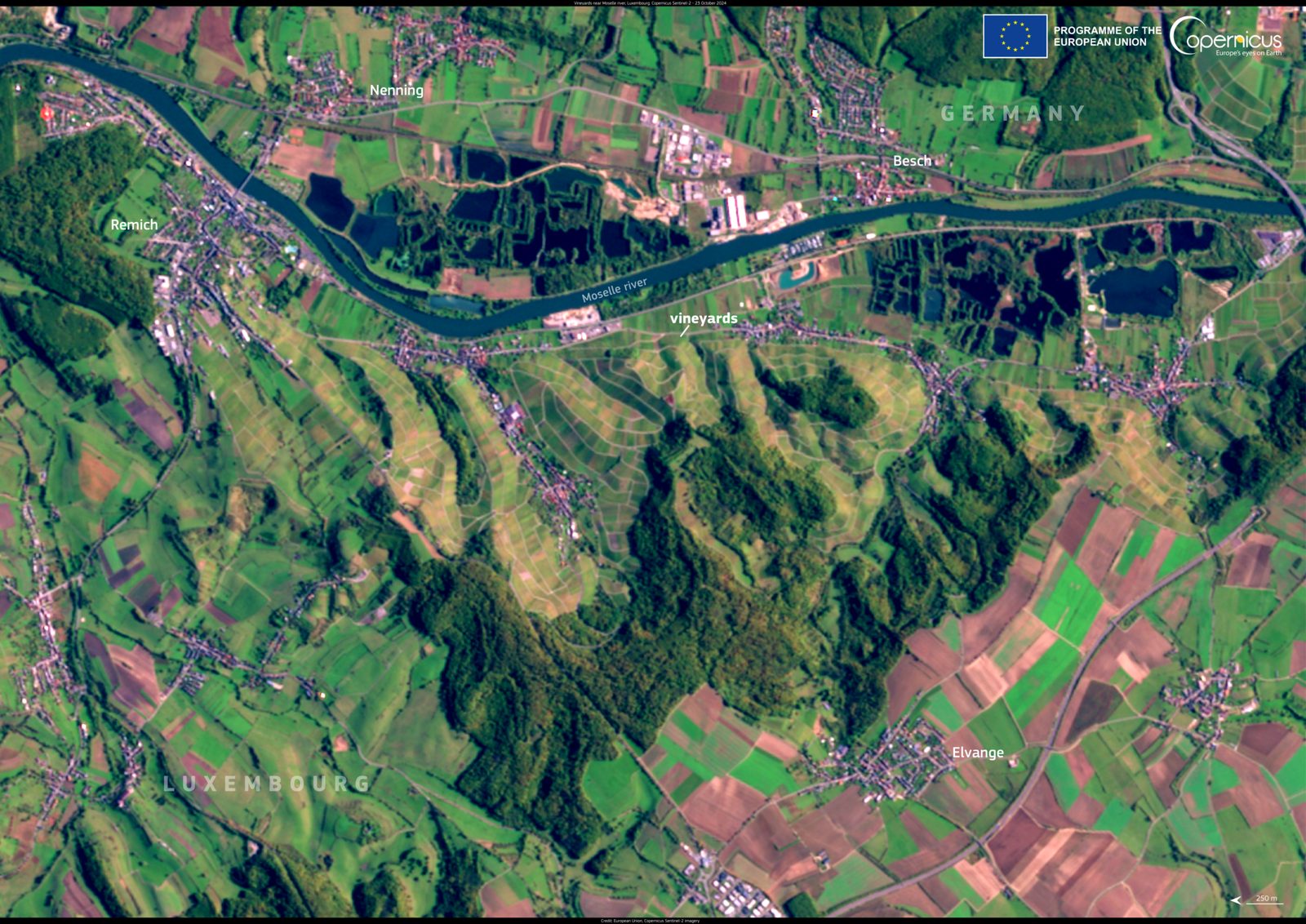
A compact wine valley running 42 km along Luxembourg's south-eastern border, from Schengen to Wasserbillig — 1,280 hectares of steep limestone vineyards making Crémant and crisp dry whites. Free nationwide transport and a flat riverside cycle path make it the easiest valley in Europe to estate-hop car-free, and it sits one border downstream from Trier and the German Mosel.
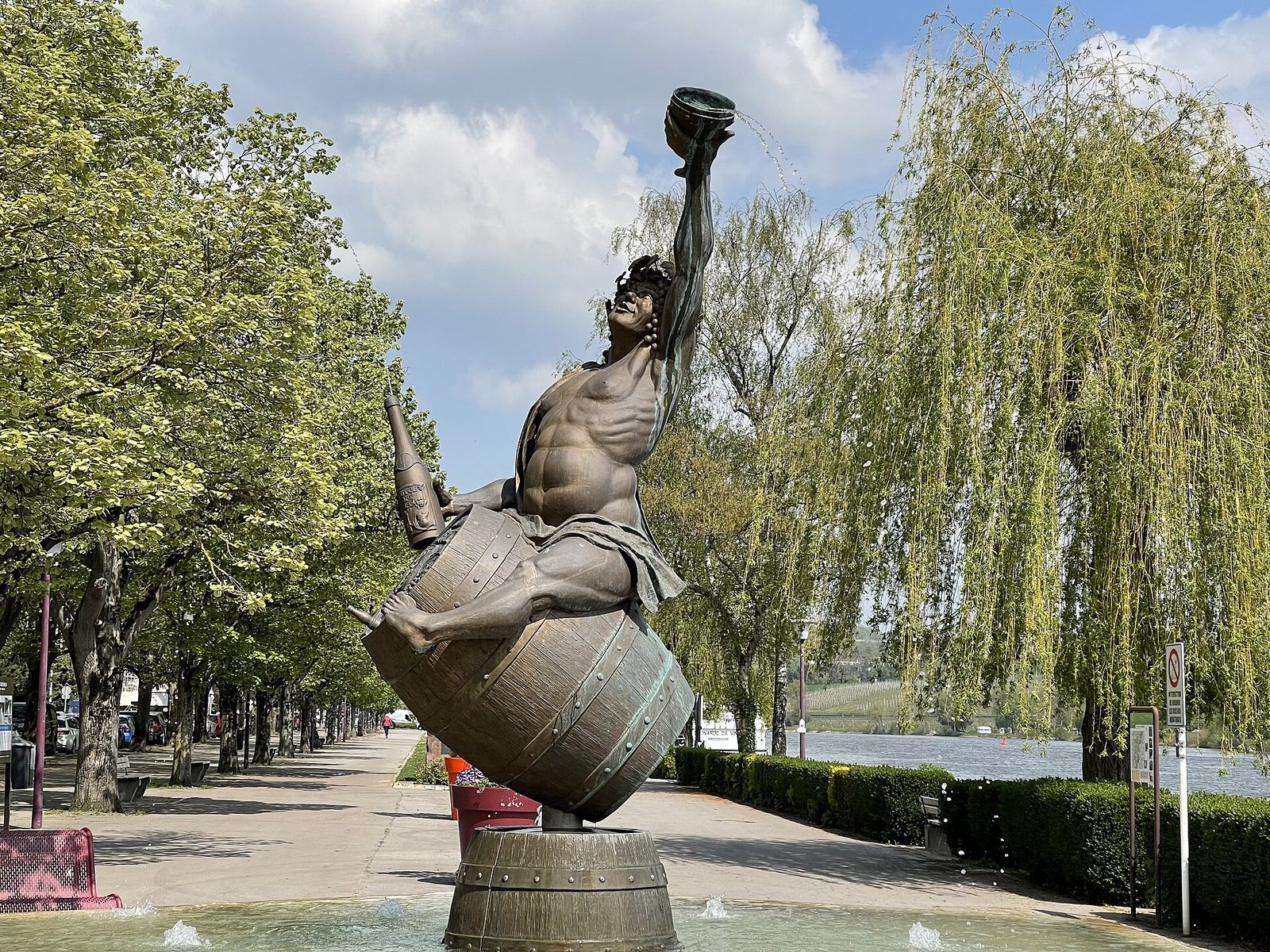
The “Pearl of the Moselle” — anchor town, best bus links, bike rental and the Caves St Martin cellars.
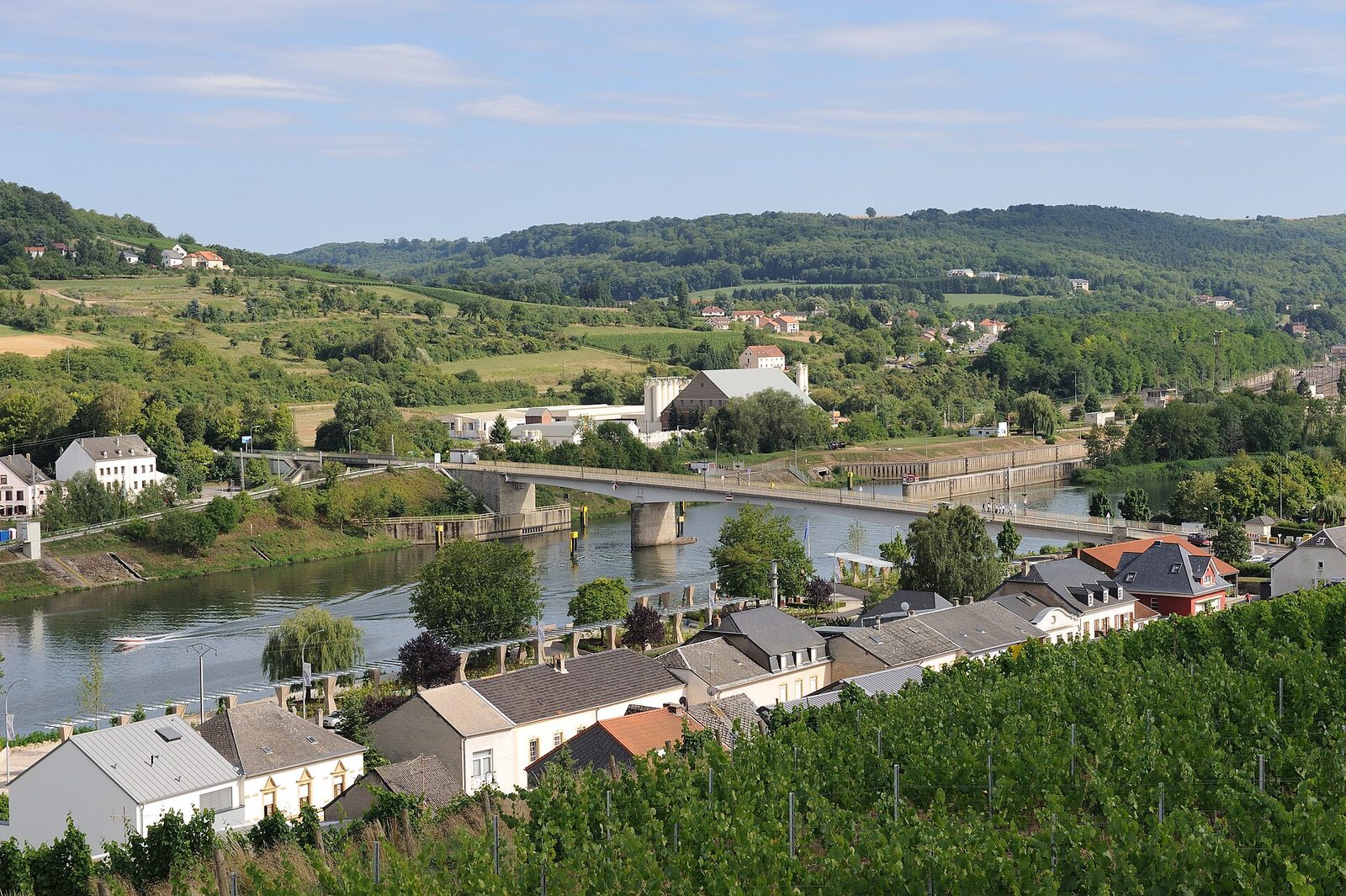
Where Europe's borders fell in 1985 — the European Museum and the agreement monument.
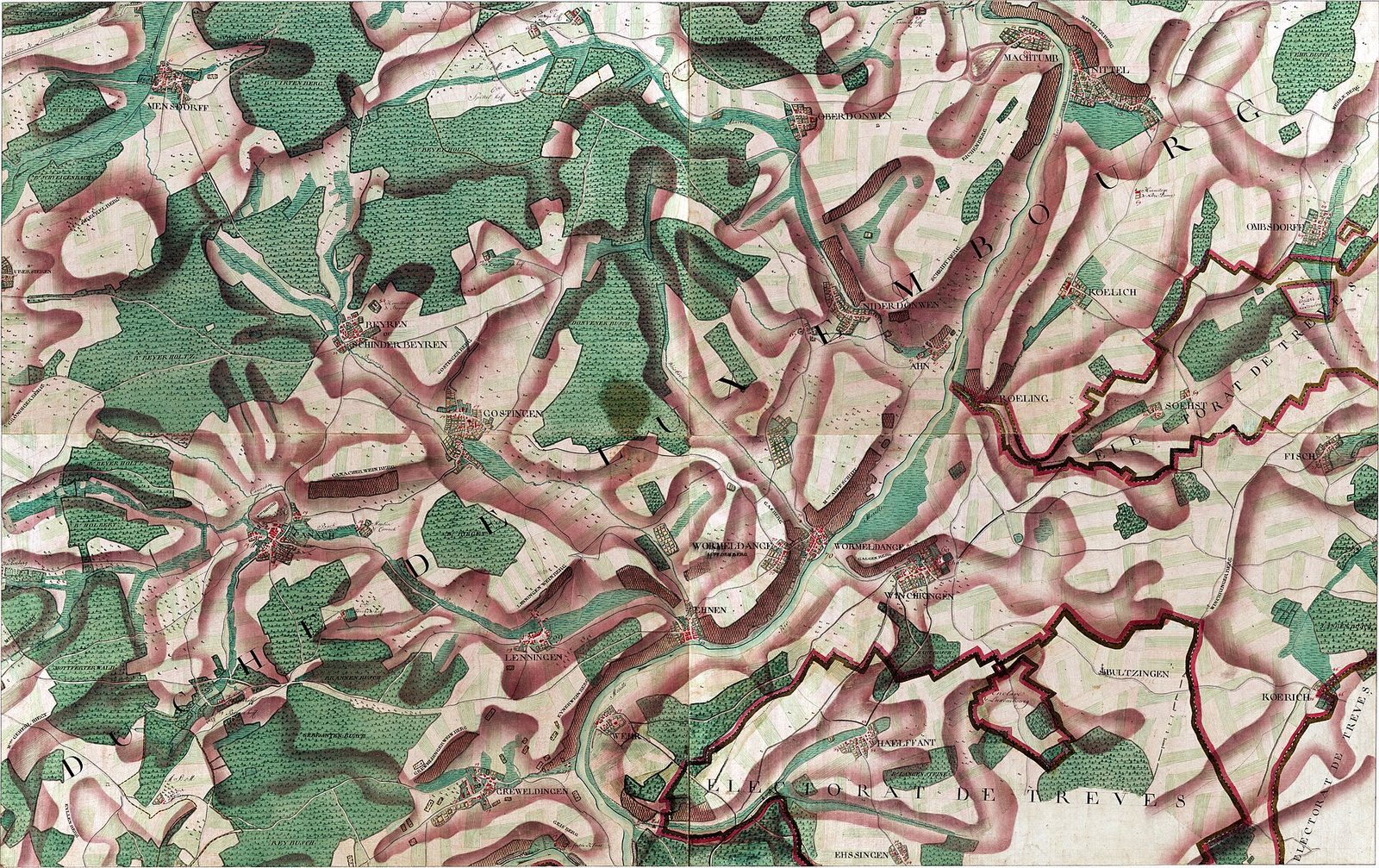
The Riesling heart of the valley; the steep Koeppchen slope and the Poll-Fabaire cellars.
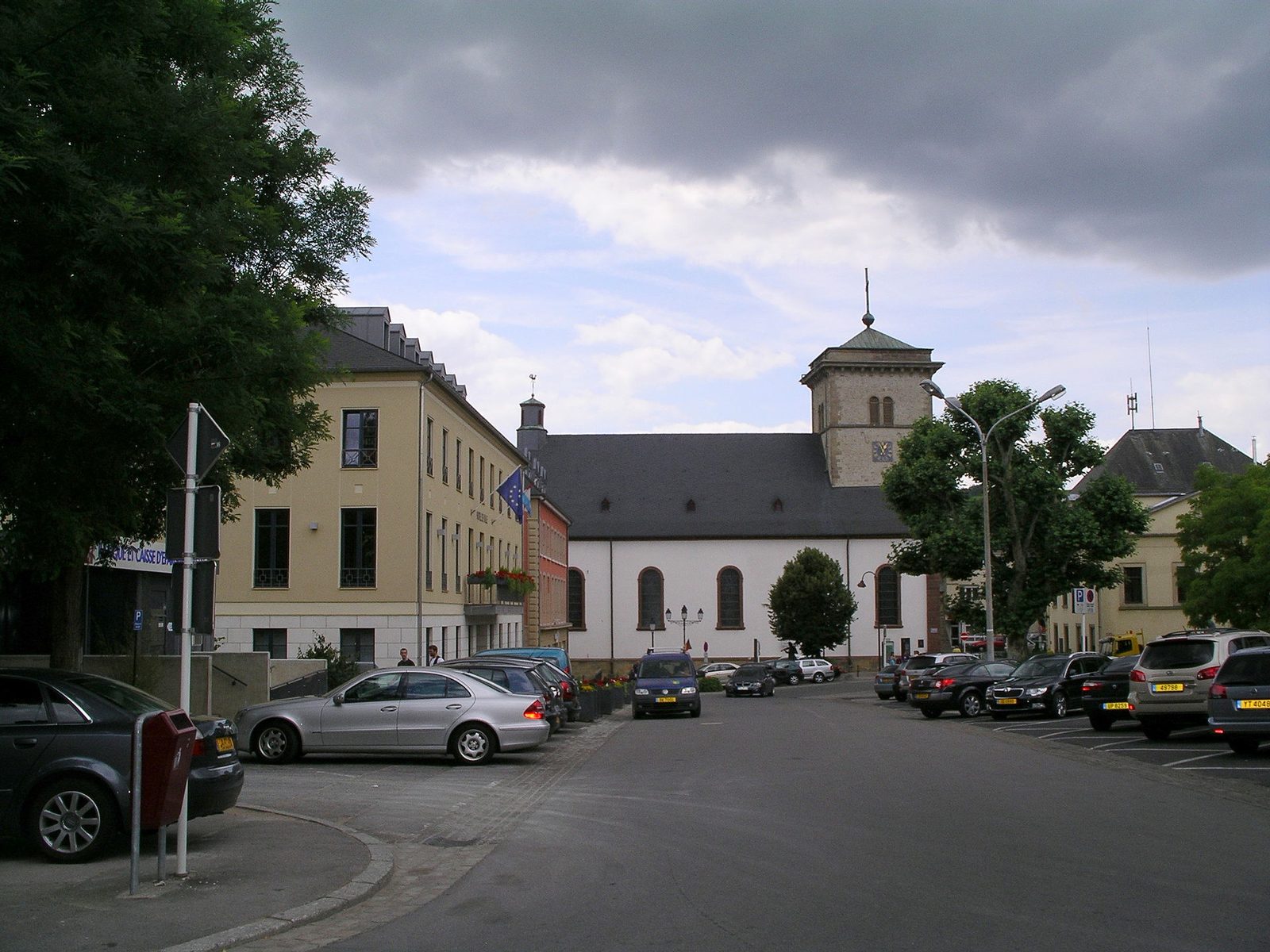
The northern town and home of Caves Bernard-Massard, the country's leading Crémant house.
| Wine | Why it matters |
|---|---|
Crémant Sparkling · the signature | Traditional-method bubbles; the valley's calling card. |
Riesling White · benchmark | Steep limestone sites like Wormeldange's Koeppchen. |
Pinot Gris White · rich | Full-bodied and smoky. |
Rivaner White · everyday | Müller-Thurgau; the soft, fragrant workhorse. |
Fare-free buses and the flat 42 km PC3 make this Europe's easiest car-free valley.
The Luxembourg Moselle rhymes with the trip's sparkling-wine theme — Crémant at a fraction of Champagne prices — and sits one border downstream from Trier. Wasserbillig, the valley's north end, faces Trier across the river, so a day in the Luxembourg vineyards slots straight onto the optional Trier / Mosel detour.
The Luxembourg Moselle (Lëtzebuerger Musel) is a small but serious wine region running 42 km along the river that forms Luxembourg's south-eastern border with Germany. Roughly 1,280 hectares of vineyards climb the steep limestone left bank, producing Crémant (traditional-method sparkling) and crisp, dry whites — Riesling, Pinot Gris, Auxerrois and the workhorse Rivaner (Müller-Thurgau) (source: Luxembourg-Moselle-Wine-Region-research.md). The anchor town is Remich, "Pearl of the Moselle," with Grevenmacher, Wormeldange, Ehnen, Schengen and Bech-Kleinmacher as the other highlights.
It sits immediately downstream — and across one border — from German Trier and the German Mosel: Wasserbillig, the valley's northern end, faces Trier. That makes the Luxembourg Moselle a natural extension of the trip's optional Trier / Mosel detour rather than a free-floating region. Where the German Mosel is steep-slate still Riesling, the Luxembourg side is a sparkling-wine country built around Crémant houses.
The valley has no passenger railway of its own — the riverside line is freight-only, and the nearest CFL passenger stations are Wasserbillig (north end) and Luxembourg City Central (Gare Centrale) (source: Luxembourg-Moselle-Wine-Region-research.md). The standard approach is a CFL train to Luxembourg City, then an RGTR regional bus into the valley; from the capital, Remich is a ~35–40 minute bus ride and Grevenmacher about an hour by train-plus-bus. CFL links Luxembourg City internationally to Trier, Koblenz, Brussels, Liège, Metz and Nancy, with TGV to Paris and ICE into Germany — so the valley connects cleanly to both the Champagne side (via Metz/Nancy) and the Trier detour. The nearest airport is Luxembourg-Findel (LUX), about 15 km from Remich (source: Luxembourg-Moselle-Wine-Region-research.md).
All public transport in Luxembourg has been free for everyone since 29 February 2020 — Luxembourg was the first country in the world to abolish fares nationwide (only 1st-class rail and cross-border tickets are still paid) (source: Luxembourg-Moselle-Wine-Region-research.md). The valley is served by the RGTR interurban bus network, planned via Mobiliteit.lu; the key artery is bus line 175, linking Luxembourg City, Remich and the Schengen-area villages, with stops at Caves Poll-Fabaire ("Wormeldange, Kellerei") and Bech-Kleinmacher. Frequency drops sharply on evenings and weekends, so always check the Mobiliteit app before a village-to-village hop.
The single best way to estate-hop is the flat Moselle cycle path (national route PC3), which runs the full 42 km at river level. RentaBike Miselerland rents trekking, mountain and e-bikes from eight stations (Remich, Schengen, Grevenmacher and others; the Ehnen station closed alongside the Wine Museum renovation), helmet included, with one-way returns to any station. 2025 rates run roughly €12/day adult trekking bike, €9 child, €19 e-bike; bikes ride free on trains subject to space (source: Luxembourg-Moselle-Wine-Region-research.md).
Taxis & rideshare are thin: Uber launched in Luxembourg on 18 June 2024 via the local firm WebTaxi, but it's concentrated on the capital and airport — Bolt and Lyft don't operate, so the valley is effectively app-or-phone taxi only, and fares are high (a 10 km trip can run €30–50). A car is optional but the most flexible option for scattered hillside wineries and evening/off-season travel, when buses thin out; parking at wineries, hotels and riverside lots is generally free and plentiful (source: Luxembourg-Moselle-Wine-Region-research.md).
Practical verdict: you can manage car-free here if you base in Remich and combine free buses, the riverside cycle path and the seasonal Moselle boats. A car becomes genuinely worthwhile only for several scattered hillside wineries in a day, or for evening/off-season travel.
The valley is strongly seasonal — most cellar tours run roughly April–October (source: Luxembourg-Moselle-Wine-Region-research.md). Caves St Martin's underground tours close 22 Dec 2025–3 Mar 2026; Bernard-Massard runs guided tours Wed–Sun, April–end October. The Wine Museum / Wäinhaus in Ehnen is closed for renovation into a "wine discovery centre" (its tourist-info point and RentaBike station closed 2 September 2025; the nearby Round Church remains visitable). Confirm hours before any winter visit.
Key annual events: the illuminated "Wine Lights Enjoy" vineyard walk (Wormeldange–Ahn) in late January; the Riesling Open festival (Ehnen/Wormeldange/Ahn/Machtum) in September; "D'Miselerland brennt" Distillers' Day in October; and the open-cellars weekend at Pentecost (source: Luxembourg-Moselle-Wine-Region-research.md).
The Luxembourg Moselle's signature is Crémant — traditional-method sparkling made across the valley, led by Caves Bernard-Massard (the country's leading family house, ~3.5 m bottles/yr), the Poll-Fabaire label of the Domaines Vinsmoselle cooperative, and the limestone-tunnel cellars of Caves St Martin in Remich. Still whites — Riesling from steep sites like Wormeldange's Koeppchen, plus Pinot Gris, Auxerrois and everyday Rivaner — round out the offer, with the valley's first certified-organic estate, Domaine Sunnen-Hoffmann, and the inventive Domaine L&R Kox pushing the modern edge (source: Luxembourg-Moselle-Wine-Region-research.md).