Capital
Épernay
Hub for house visits & cellars
The home of the world's most famous sparkling wine, centred on Épernay and its Avenue de Champagne — the “richest avenue in the world.” Grand houses with kilometres of chalk cellars beneath them, and a late-September calm once the harvest crush is over.
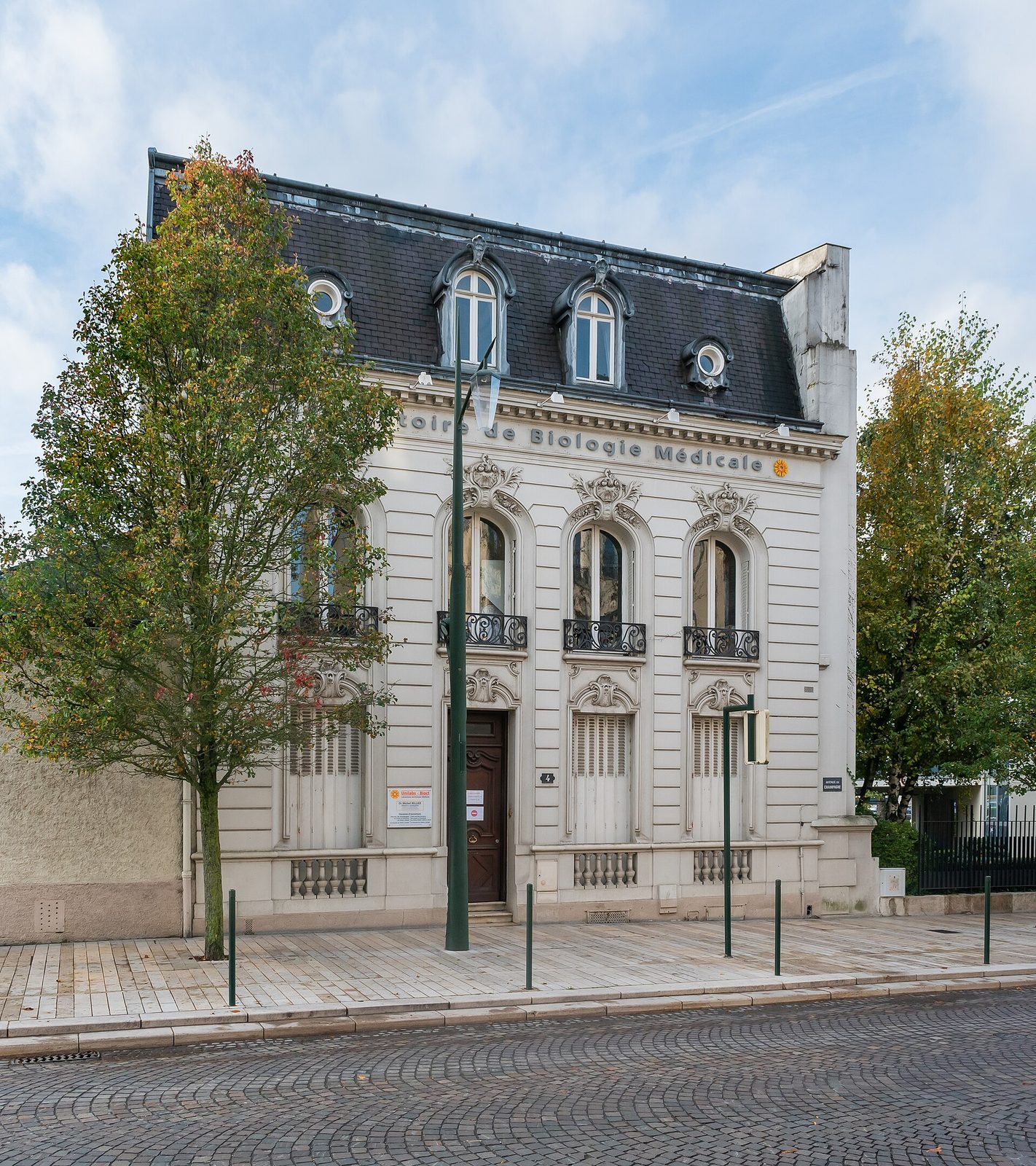
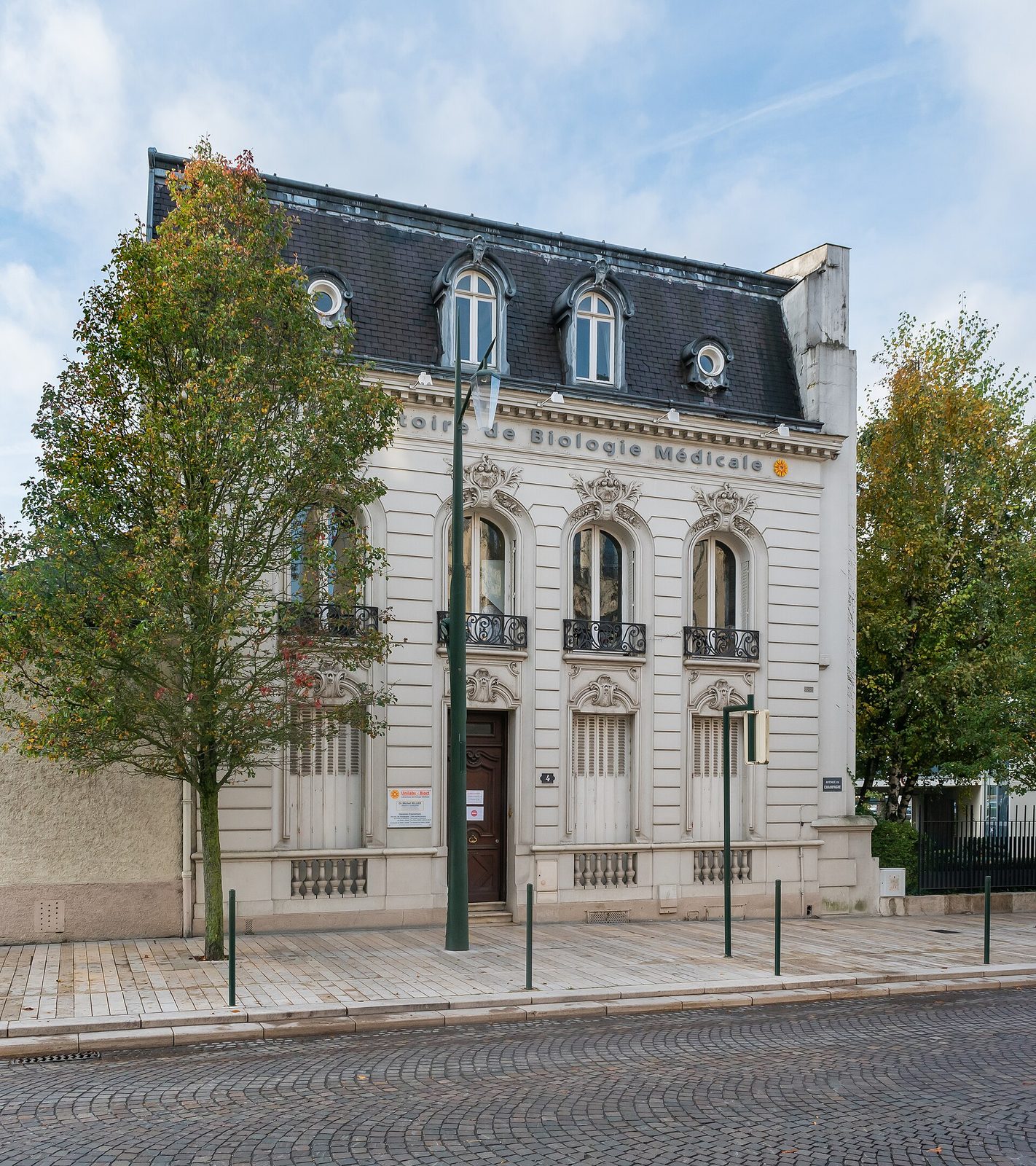
Capital of Champagne and the base for the trip — the great houses line the Avenue de Champagne.
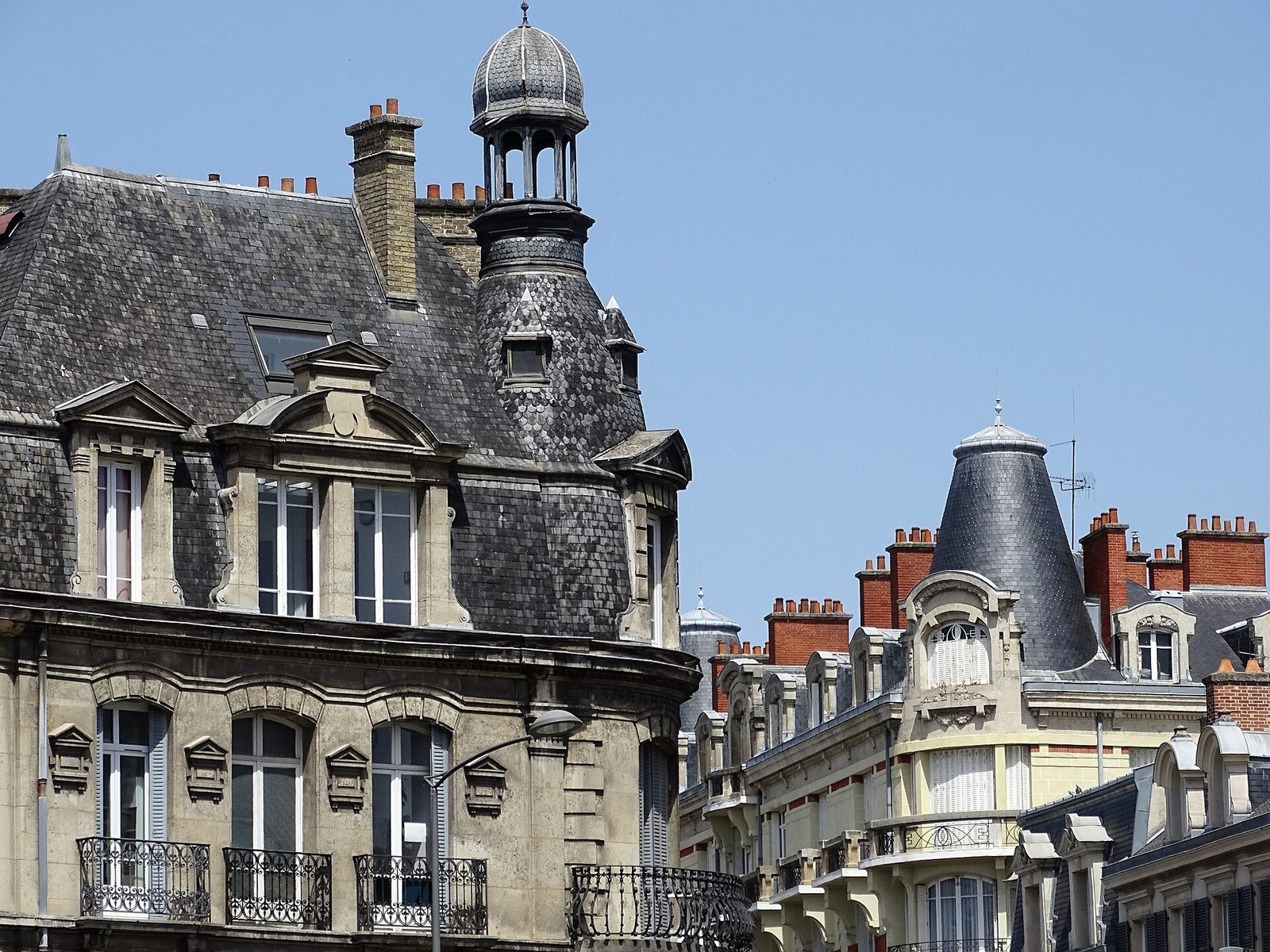
The cathedral city with a UNESCO trio; an easy TER day trip and the TGV gateway.
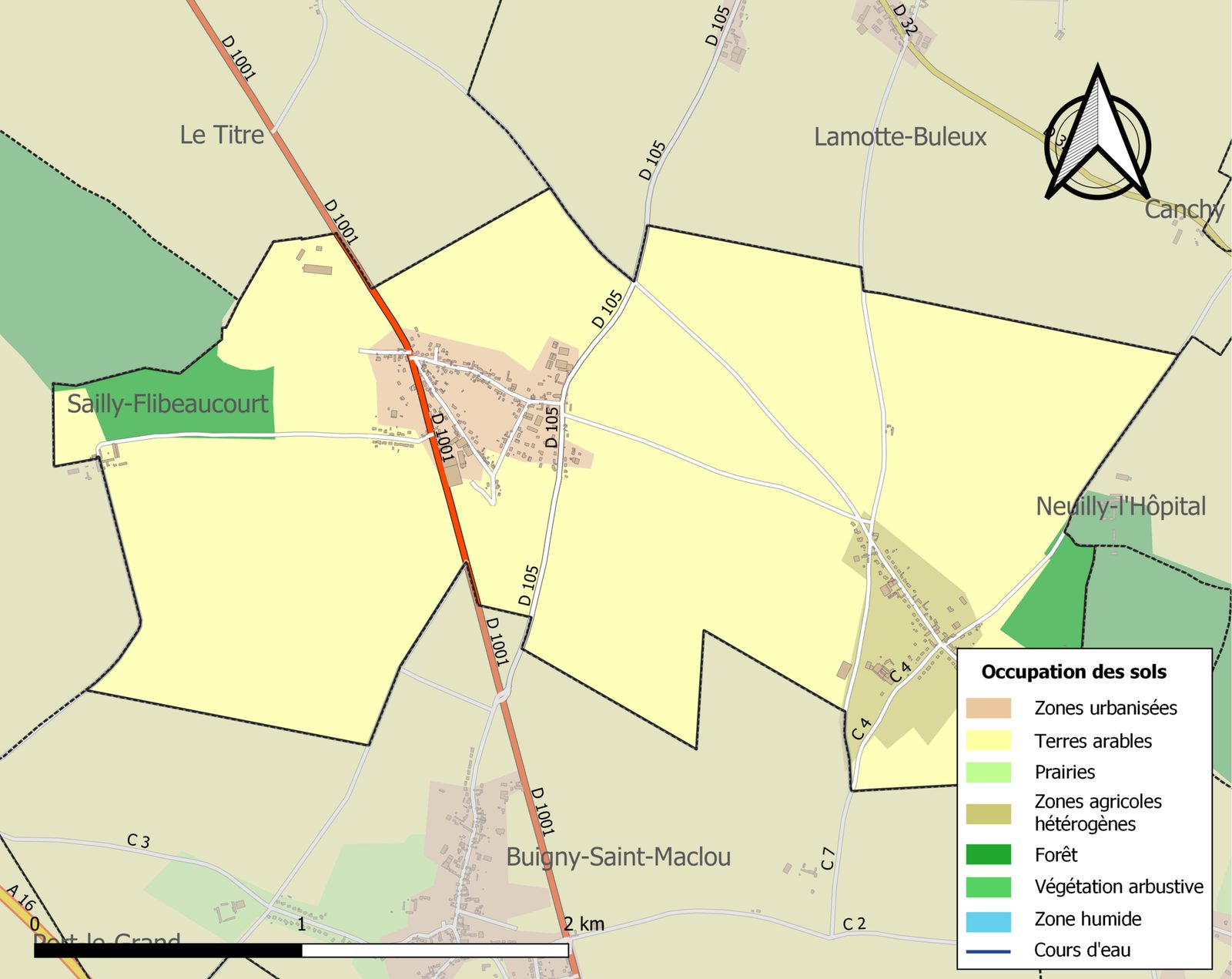
The hilltop village where Dom Pérignon worked; vineyards and wrought-iron signs.
Grand Cru village 3 km from Épernay, home to the Pressoria museum.
| Wine | Why it matters |
|---|---|
Champagne (Brut) Sparkling · the benchmark | The classic blend; toast and orchard fruit. |
Blanc de Blancs Chardonnay only | From the Côte des Blancs; mineral and bright. |
Blanc de Noirs Pinot only | From the dark grapes; fuller and rounder. |
Rosé Sparkling | Red-fruited; by blending or skin contact. |
Épernay's grand street and UNESCO site — the “richest avenue in the world.”
For Jerry, Champagne is the western gateway to a heritage corridor that runs east through the Saarland and the Mosel to Alsace. The optional Trier / Mosel detour picks up the Ulcek / Fiedler lines on the way between the wine regions.
The Champagne region of northeastern France is the home of Champagne, the world-famous sparkling wine. Epernay is described as the capital of the region (source: Epernay - Top 5 things to do.md), built around the Avenue de Champagne.
This page is a stub and will grow as more sources are added.
"You really can't say you know sparkling wine until you taste (true) Champagne — at least once." Where sparkling wines are often described as fruity and creamy, Champagne is "lithe, startlingly acidic, and somewhat earthy on the nose (think mushrooms and Parmesan cheese)" — elements that come together in "a fascinating, delicate beverage that seems to breathe on its own in your glass" (source: European Wine Exploration Map _ Wine Folly.pdf). For the European sparkling siblings — English Sparkling Wine, Cava and Prosecco — see the European Wine Exploration Map (Source Summary) reference.
Moët & Chandon, Perrier-Jouët, Mercier, Boizel, Maison de Venoge, and Champagne de Castellane.
The Comité Champagne sets the official harvest start (ban des vendanges) commune-by-commune each year. The 2025 ban was August 20 (some communes Aug 22), running to September 4 — one of the earliest harvests in 40 years — so by late September/October visitors are past the harvest crush, with autumn foliage and fewer crowds (source: compass_artifact_wf-8ad79e77...). Timing shifts yearly; confirm before assuming "fall = quiet."