The Wine Route
170 km
Marlenheim → Thann · est. 1953
One hundred and seventy kilometres of half-timbered, flower-hung villages strung along the Vosges foothills from Marlenheim to Thann — France's oldest wine route, inaugurated in 1953. Dry, aromatic whites; fifty-one Grands Crus; and, for us, the country Mary's family came from.
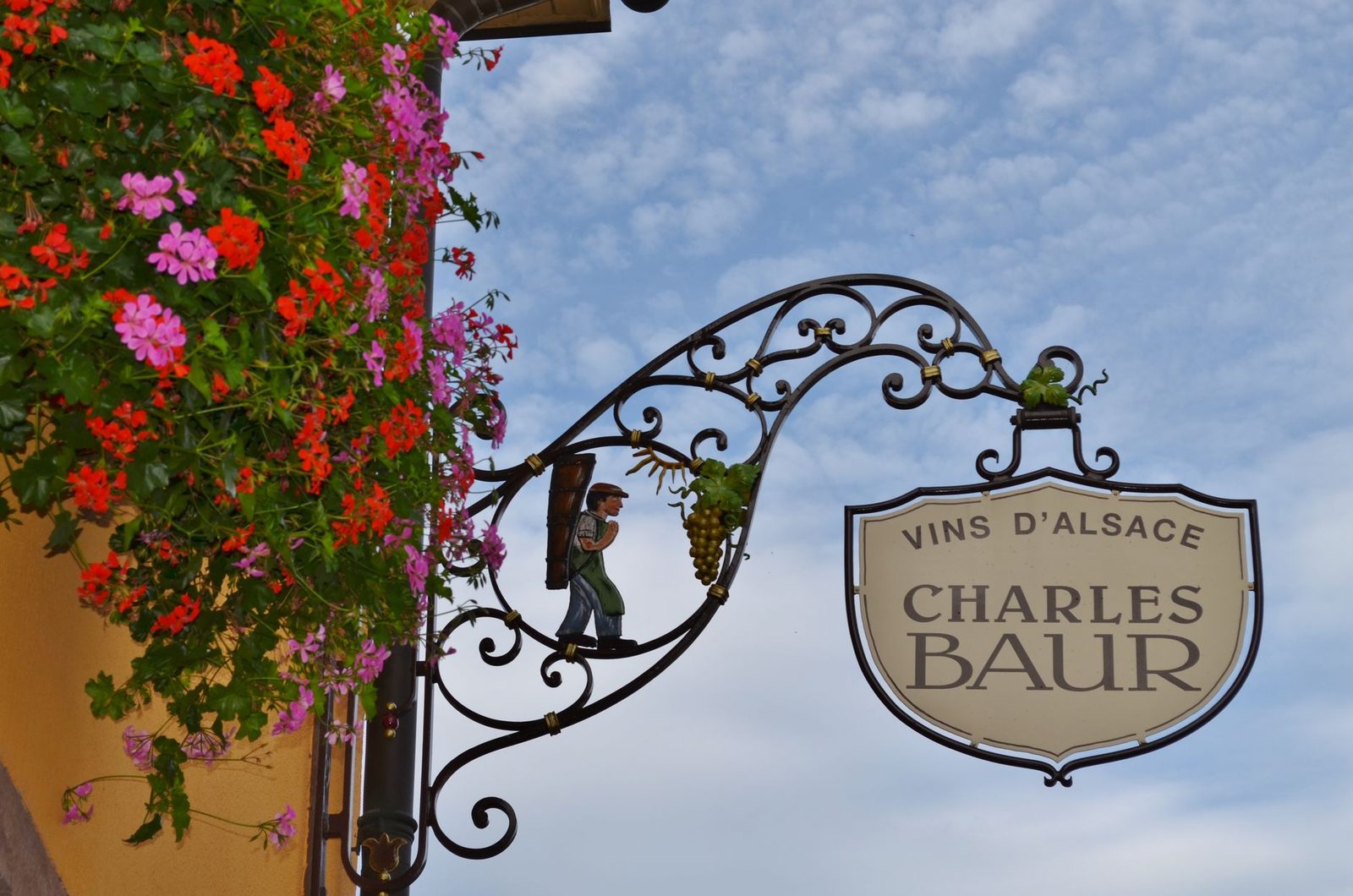
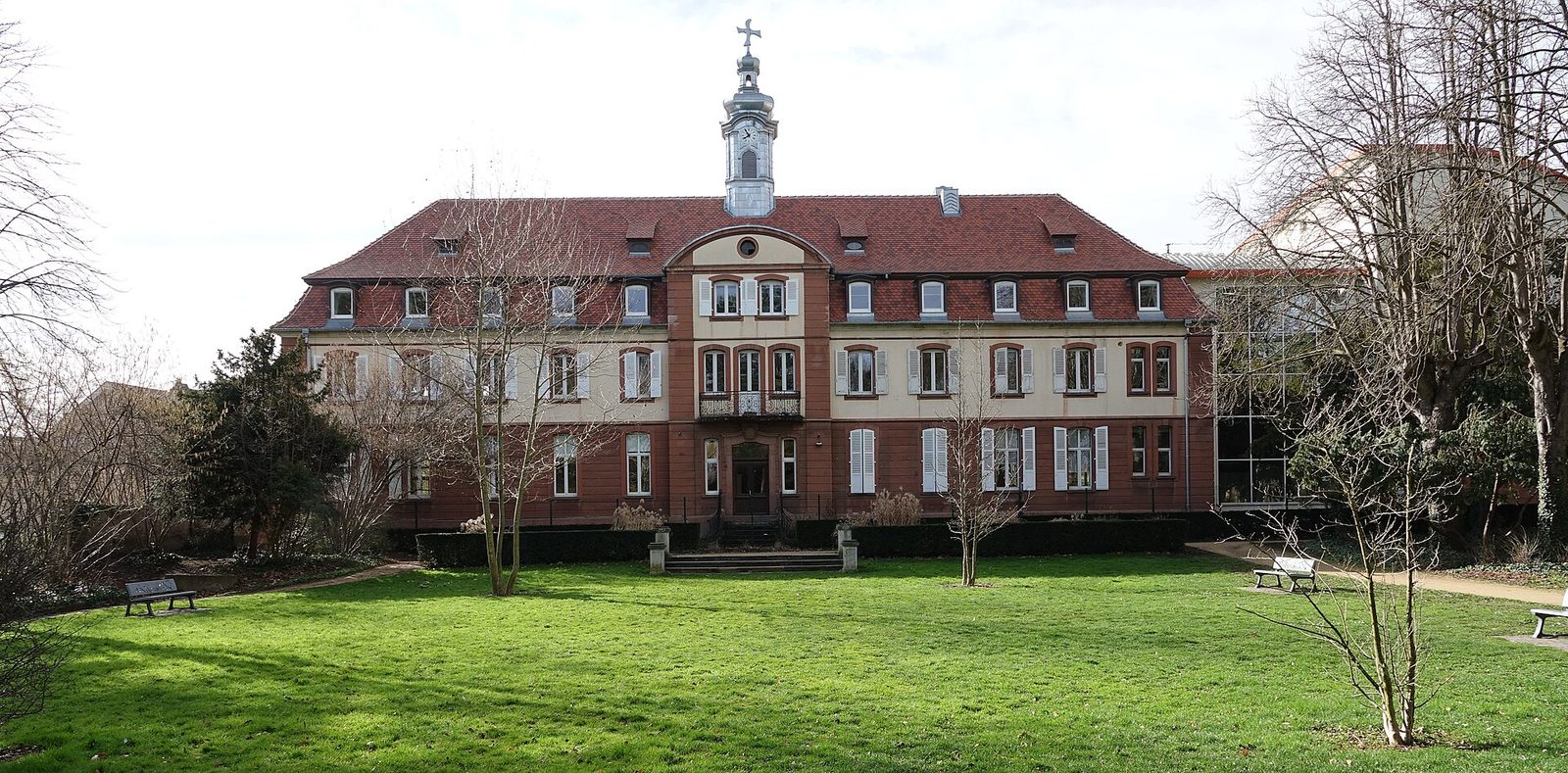
The unofficial capital of Alsatian wine; canals, museums, and the best car-free base.
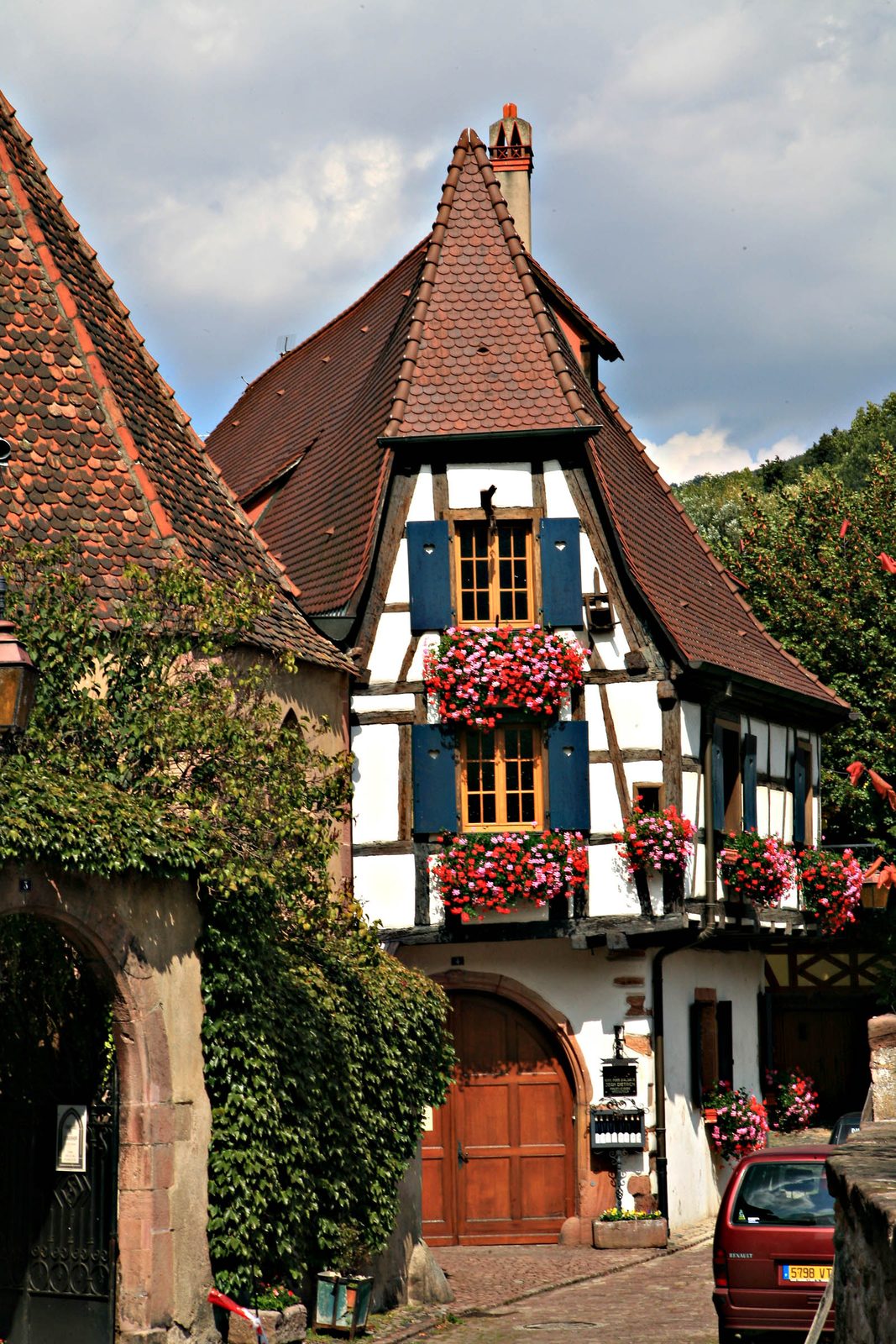
A walled village almost untouched since the 1500s; the “pearl of Alsace.”
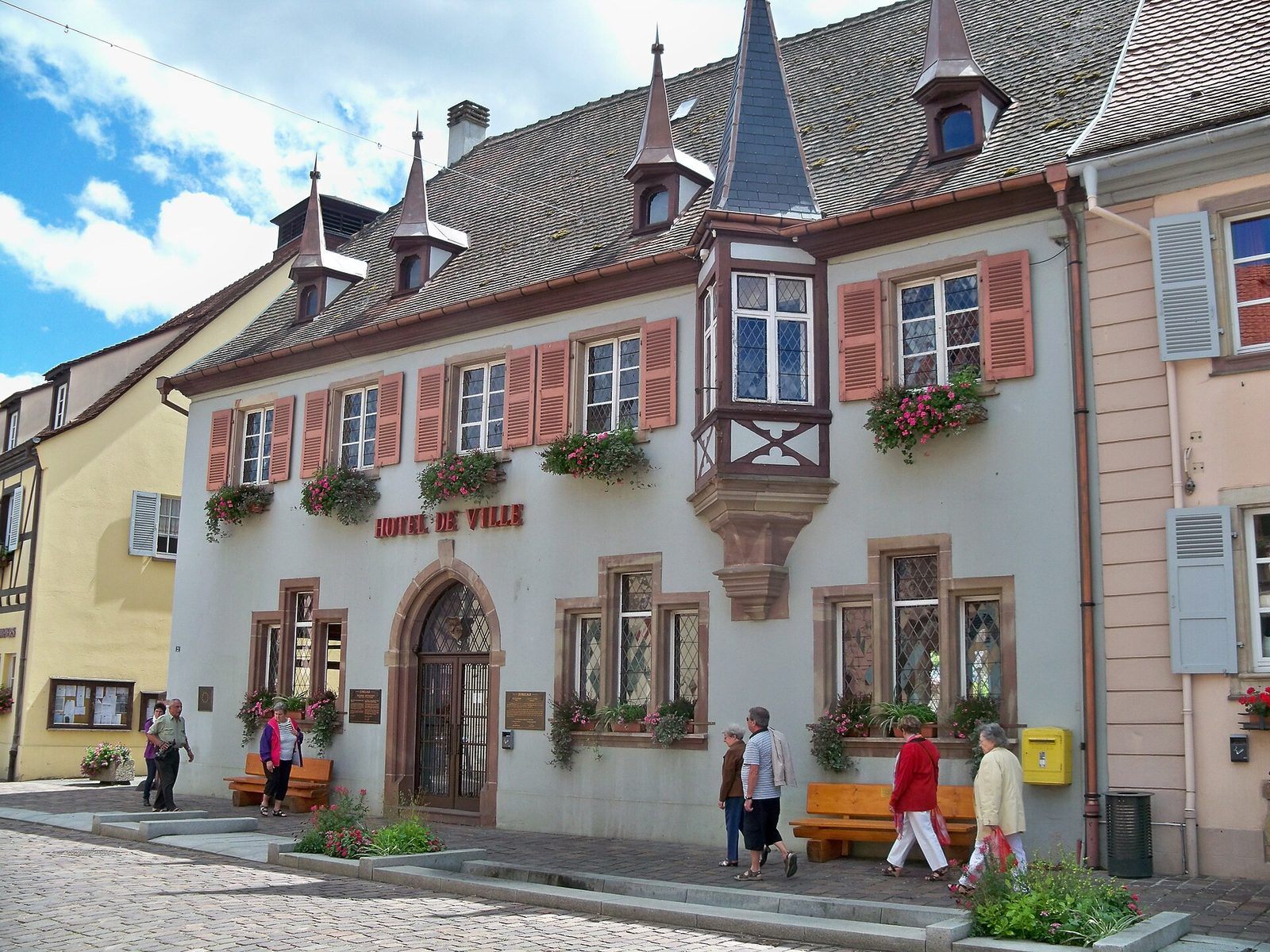
Concentric lanes around a castle; a cradle of Alsatian viticulture.
The “Porte d'Or” at the route's northern gate — and Mary's Groh ancestral village.
| Wine | Why it matters |
|---|---|
Riesling Noble · the benchmark | Bone-dry, mineral, ageworthy. |
Gewürztraminer Noble · aromatic | Lychee, rose and spice; opulent. |
Pinot Gris Noble · rich | Smoky, honeyed, full-bodied. |
Crémant d'Alsace Sparkling | France's most-produced crémant. |
Riesling, Gewürztraminer, Pinot Gris, Muscat, Pinot Blanc, Sylvaner & Pinot Noir.
Mary's great-grandmother, Marie Theresa Groh, was born in Marlenheim in 1875. The Groh / Wohlfrom line runs five generations through Marlenheim, Kirchheim and Nordheim — the “Golden Crown” (Couronne d'Or) at the very start of the route. The Alsace leg is a homecoming as much as a tasting.
The Alsace Wine Route (Route des Vins d'Alsace) is one of France's most famous wine routes and the country's oldest, inaugurated in 1953 (70th anniversary in 2023), running 170 km from Marlenheim to Thann along the eastern foothills of the Vosges (source: The Ultimate Alsace Wine Route Itinerary ⭐️ 2026 Map.md; Alsace Wine Route by Car – Itinerary & Map.md; compass_artifact_wf-ba682d0f...; compass_artifact_wf-755602f0...). It passes through 119 winegrowing villages with 720+ winegrowers and 7 grape varieties, and lies in the Grand Est region (source: compass_artifact_wf-755602f0...; Alsace Wine Route by Car – Itinerary & Map.md). Marlenheim is the official northern gateway, the "Porte d'Or."
A distinctive trait: unlike most French wine regions, **Alsatian wineries sit inside the villages** rather than out among the vines — a legacy of needing fortified walls in a turbulent border history (source: compass_artifact_wf-755602f0...).
> "Oldest/first wine route" — competing claim: the wiki's Alsace sources call this route "France's oldest wine route" (1953), but the Burgundy Route des Grands Crus is documented as "created in 1937, France's first wine route" (source: compass_artifact_wf-5af489e6...). 1937 predates 1953, so the superlatives conflict — Alsace may be the oldest of its style/length or it's a looser marketing claim. See Route des Grands Crus.
> Village count: an earlier source says "70+ towns and villages"; the official trade-body figure is 119 winegrowing villages (source: compass_artifact_wf-755602f0...) — the difference is one of counting (all villages vs. headline towns), not a true conflict.
> Endpoints — resolved: Two sources now agree the official route runs Marlenheim → Thann (170 km). The Winalist source instead described it as Strasbourg → Colmar, ~180 km (with "170-km" in its own FAQ — internally inconsistent); those cities are the practical big-city gateways most itineraries use, not the official endpoints (source: The Ultimate Alsace Wine Route Itinerary ⭐️ 2026 Map.md; Alsace Wine Route by Car – Itinerary & Map.md; compass_artifact_wf-ba682d0f...).
See The Ultimate Alsace Wine Route Itinerary (Source Summary) for the full ordered list. From the north gate at Marlenheim: Strasbourg, Molsheim, Obernai, Ottrott, Barr, Mittelbergheim, Dambach-la-Ville, Sélestat, Bergheim, Ribeauvillé, Hunawihr, Zellenberg, Riquewihr, Kaysersberg, Turckheim, Colmar, Eguisheim, Guebwiller, and on toward Mulhouse; far-north quirks include Hunspach. Looming above the central villages is the Château du Haut-Koenigsbourg castle.
The route is known for its seven grape varieties, the Alsace Grand Cru system, and the sparkling Crémant d'Alsace. See also Alsace Wineries and Alsatian Cuisine. Harvest festivals and Christmas markets are covered in Alsace Festivals.
This region pairs naturally with the Champagne leg of a trip. See Épernay to Marlenheim: Car-Free Travel (Source Summary) for the car-free rail-and-bus connection from Epernay to the Marlenheim gateway.