Champagne & Alsace, unhurried.
Legend
Paris CDG → Épernay
Arrive and settle in; the Avenue de Champagne, the houses and the tourist office are all walkable from the station. This is the jet-lag recovery day by design — book nothing.
Champagne houses on foot
Tour the maisons along the Avenue — Mercier's little train and sommelier tasting is the source's top pick, with Moët a few doors along. Plan two booked tours, not three; the marquee houses need advance reservation.
The vineyards: Côte des Blancs + Hautvillers
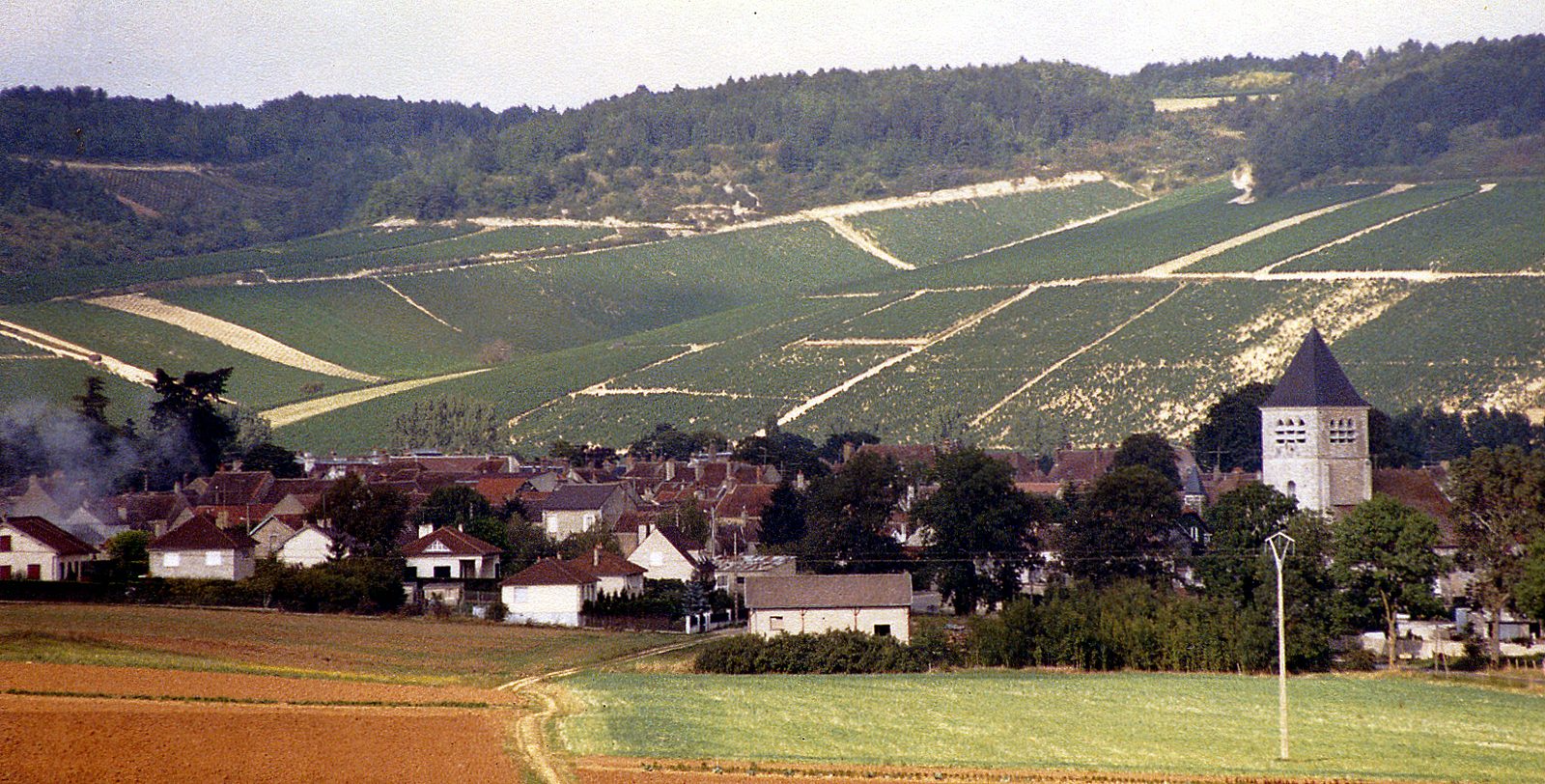
A morning among the Chardonnay grand-cru villages of the Côte des Blancs — the one sub-region the trip otherwise skips — then the hilltop Dom Pérignon abbey at Hautvillers. Aÿ's Pressoria museum (4 min by TER) is an easy swap.
Reims
The easiest day-trip: the UNESCO coronation cathedral and one grande maison's deep chalk-cave cellar tour — a theatrical contrast to Épernay's growers' street.
Épernay → Strasbourg → Colmar (via Mary's Couronne d'Or)
The one big travel day, doing double duty: Épernay → Strasbourg (~2h10–2h30), then Fluo bus 230 to Mary's Groh villages — Marlenheim, Kirchheim, Nordheim — before continuing Strasbourg → Colmar (~30 min) in the evening. Heritage on the way, not a backtrack.
Colmar in full
Unterlinden and the Isenheim Altarpiece, Petite Venise, the covered market and the old town. Eguisheim — a concentric village préféré — is an optional late-afternoon hop (check the return bus).
Sainte-Marie-aux-Mines — Jerry's Val d'Argent
Up the Val d'Argent to the cradle of the Amish and the likeliest home of Jerry's Wohlust branch, with an optional 16th-century silver-mine descent at Tellure. Pre-book the mine + its minibus; the descent is physical, and the heritage stands without it.
The central wine villages
The postcard stretch — Ribeauvillé, Riquewihr, and the fortified hilltops of Hunawihr and Zellenberg, walkable to one another along the Géovino loop. Pick three of the four to keep it slow. Bus 106 runs year-round; the Kut'zig shuttle is a seasonal bonus.
Flex / rest day
Deliberately open — do nothing, return to a favourite village, or a leisurely Crémant d'Alsace tasting. Or take the single bus out to Kaysersberg and/or Turckheim. The breathing room that earns the “slow” label.
Colmar → Paris CDG
No direct airport train: a TGV to Paris (~2h51), then the cross-Paris transfer to CDG. Leave early — don't book a morning flight.
Pre-book the fragile links
Reserve the Champagne cellar tours (Moët, Reims houses), the Tellure mine and its ELSA on-demand minibus (Day 7), and a return taxi from Hautvillers (Day 3) — these are where car-free can fail.
Season vs. shuttle
Autumn is the ideal weather, but the Kut'zig shuttle and e-bikes are seasonal and may have stopped by late October — Fluo bus 106 runs year-round and is the real backbone.
Reversible
Alsace-first (Colmar → Épernay) works just as well — every leg is a two-way rail line, so flights can dictate the direction.
The shape of the trip
The other car-free routes in this wiki move base every two or three nights. This one does the opposite. It plants you in two towns only and makes everything else a day-trip:
Paris → Épernay (4 nights) → Colmar (5 nights) → Paris.
Nine nights, two bases, one base-change, zero rental cars. The bet is that a slower trip — fewer packing mornings, more lingering — is the better trip when the point is to taste wine and wander villages, not to tick off regions. Both bases are chosen because they are genuine car-free hubs: Épernay's houses and museum are walkable from its station (source: compass_artifact_wf-8ad79e77...), and Colmar is the unofficial wine capital with frequent regional trains and seasonal wine-village shuttles (source: compass_artifact_wf-755602f0...).
The price of only two bases is one structural compromise, handled deliberately below: Mary's Couronne d'Or heritage villages sit beside Strasbourg, ~70 km north of Colmar, so visiting them from Colmar would mean a 2.5–3 hour round-trip commute. Instead this route folds them into the eastward transfer day, when you pass through Strasbourg anyway — turning a backtrack into a stop.
> Why car-free pays off here: France's blood-alcohol limit is just 0.05% (~one glass), so not driving sidesteps the spit-or-designate-a-driver problem at every tasting (source: compass_artifact_wf-5af489e6...).
Assumptions
- Season: built season-agnostic, but autumn (mid-Sept–late Oct) suits both regions — past the harvest crush, golden foliage, fewer crowds (source: compass_artifact_wf-8ad79e77...; compass_artifact_wf-755602f0...). See The Alsace Wine Route in Fall (Source Summary).
- Start/end: a Paris CDG airport arrival and departure (the route flexes to a city-centre start).
- Pace: 4–5 nights per base, with at least one true flex/rest day baked in. This is the slow option on purpose.
- Transport: 100% public — TER and TGV trains, regional Fluo buses, the seasonal wine-village shuttle, and one on-demand minibus for the silver mine.
---
Champagne — 4 nights in Épernay
Day 1 — Paris CDG → Épernay
- Travel: there is no direct train from the airport. The simplest car-free path is RER B from CDG to Gare du Nord (~30 min), a ~10-min walk to Gare de l'Est, then a TER to Épernay (~1h20) — realistically ~2h15–2h45 door-to-door with the connection (source: live rail times, checked June 2026; compass_artifact_wf-8ad79e77...). Some TGVs instead route CDG → the Champagne-Ardenne TGV station with a short TER on to Épernay; the total is similar.
- On arrival: Épernay's centre, the Avenue de Champagne, the great houses, the museum and the tourist office are all walkable from the station (source: compass_artifact_wf-8ad79e77...). Settle in (see Épernay Lodging: Car-Free Guide (Source Summary); Hôtel Jean Moët is a central 4-star, 5 min from the station).
- Feasibility: this is your jet-lag recovery day by design — the fourth Épernay night exists for exactly this, so arriving rested beats squeezing in a tour. Keep it to settling in and an evening stroll on the Avenue; book nothing for today.
Day 2 — Champagne houses on foot
- Travel: none. The maisons line the Avenue de Champagne.
- What to do: the source's top pick is Mercier (the little train + sommelier tasting); Moët & Chandon is a few doors along, so the two make a natural pair, with the Champagne de Castellane tower (66 m, views over Épernay) a quick walk-up add between them. Boizel and Maison de Venoge are alternatives. Start at the Office de Tourisme for free daily tastings and bookings.
- Feasibility: plan two booked tours, not three — each runs ~1–1.5 h with the tasting, and the marquee houses (Moët especially) require advance reservation and close on certain weekdays, so book before you arrive. The de Castellane tower is the easy walk-up third.
Day 3 — The vineyards: Côte des Blancs + Hautvillers
- Travel: south to the Côte des Blancs (Vertus and the blanc-de-blancs villages) by tour shuttle or TER; then north to Hautvillers (the Dom Pérignon village), which has no regular bus — a taxi (~10 min, ~€18–22) or an e-bike (a real uphill climb) (source: compass_artifact_wf-8ad79e77...).
- What to do: a morning among the Chardonnay grand-cru villages of the Côte des Blancs — the one Champagne sub-region the rest of this trip skips, and a clean contrast to Épernay's blended houses — then the hilltop abbey at Hautvillers where Dom Pérignon is buried. The interactive Pressoria museum in Aÿ (a 4-minute TER hop) is an easy swap for the morning if you'd rather a museum than a vineyard walk.
- Feasibility: a fuller wine day than a single village — and the reason Day 1 can stay empty. Pre-book a return taxi from Hautvillers; they don't reliably wait.
Day 4 — Reims
- Travel: Épernay → Reims by TER, ~25–35 min, frequent (the "Ligne des Bulles" runs roughly every 30 min) (source: compass_artifact_wf-8ad79e77...).
- What to do: the UNESCO Cathédrale Notre-Dame de Reims (coronation church of the French kings) and one grande maison cellar — the big Reims houses (Veuve Clicquot, Taittinger, Pommery) run deeper, more theatrical chalk-cave tours than Épernay's. Reserve the cellar visit ahead and check closed days — the Reims grandes maisons book out in season.
- Feasibility: the easiest day-trip of the whole trip, and a clean contrast to Épernay's growers' street.
---
Transfer — Day 5: Épernay → Strasbourg → Colmar, via Mary's Couronne d'Or
This is the trip's one big travel day, and it does double duty: it moves you to the second base and delivers Mary's ancestral villages without a backtrack.
- Leg 1 — train, Épernay → Strasbourg: Épernay sits on the classic Paris-Est ↔ Strasbourg-Ville line. Fastest is TGV-assisted, ~2h10–2h30 (connecting via the Champagne-Ardenne TGV station); a direct TER (~3h20–3h50) also runs but only once or twice daily, so check times (source: compass_artifact_wf-ba682d0f...; Épernay to Marlenheim: Car-Free Travel (Source Summary)). Aim to arrive Strasbourg around late morning.
- Leg 2 — the heritage half-day: store bags at Strasbourg, then take Fluo Grand Est bus 230 (TSPO) from the Gare Routière des Halles to Marlenheim — ~26 min, every 30 min, €2.50 (no train serves Marlenheim) (source: compass_artifact_wf-ba682d0f...). In Marlenheim, walk Rue du Milieu (the old "Mittel Strass," site of the 1851 Groh household at no. 210), the parish Église Sainte-Richarde, and up Marlenberg hill for the chapel and vineyard views (source: Holley-family.pdf). This is the official northern "Porte d'Or" of the wine route; lunch at Hôtel Le Cerf. With time, add the neighbouring "Golden Crown" villages — Kirchheim (birthplace of ancestor Adèle Wohlfromm, ~2.5 km) and Nordheim (~3 km) — on foot or by short taxi (source: Holley-family.pdf). See Couronne d'Or (the "Golden Crown"), Groh / Wohlfromm Family of Marlenheim.
- Leg 3 — train, Strasbourg → Colmar: back on bus 230 to Strasbourg, then frequent TER to Colmar, ~30 min (source: compass_artifact_wf-755602f0...). Arrive in the evening and settle in to Petite Venise.
- Feasibility: a full day, but every piece is short and the heritage stop is on the way rather than a 3-hour round-trip from Colmar. If the Groh villages aren't a priority, skip the bus and arrive Colmar by early afternoon for a gentler start.
- Needs verification: Fluo bus 230 frequency on the chosen day (weekend/holiday timetables thin out), and the Marlenheim → Kirchheim / Nordheim last mile.
---
Alsace — 5 nights in Colmar
Day 6 — Colmar in full
- Travel: none in town; everything is on foot. Optional Eguisheim hop — bus ~10–13 min, but infrequent (roughly hourly at best, sparse midday, no Sunday service) (source: live bus times, checked June 2026).
- What to do: the Unterlinden Museum (the Isenheim Altarpiece), Petite Venise and the canals, the covered market, the Musée des Vins d'Alsace, and the old town's painted half-timbered houses (source: compass_artifact_wf-755602f0...). Eguisheim — a concentric "village préféré" with the Three Castles hike above it — makes an easy late-afternoon add for anyone with energy.
- Feasibility: Colmar alone fills an unhurried day; treat Eguisheim as optional and check the return bus before you go, or you risk a multi-hour wait.
Day 7 — Sainte-Marie-aux-Mines (Jerry's Val d'Argent)
- Travel: Colmar → Sélestat by TER (~12 min), then a connecting bus/TER-bus up the Val d'Argent — ~1h06 total one way (source: Rome2Rio, checked June 2026).
- What to do: Sainte-Marie-aux-Mines (Val d'Argent) is the cradle of the Amish and the highest-probability landing zone for Jerry's Wohlust branch (see Jerry's Family History (Ulcek / Fiedler), Bernese-Anabaptist Resettlement in Alsace (the "Wohlust" research question)). The flagship attraction is a genuine 16th-century silver-mine descent at Parc Minier Tellure (museum + an underground tour), or the scientist-led mine tours of L'Aventure des Mines (ASEPAM).
- Feasibility: ✓ for the town, but Tellure sits up in the hills above the centre, not walkable. You'll need the ELSA on-demand minibus (TAD) — reserve ahead, Mon–Sat 7am–7pm — or a local taxi. Book the mine and the TAD in advance, or this day breaks (source: ELSA Mobilités, checked June 2026).
- Plan B (build it in): the descent is physically demanding — underground, stairs, uneven ground, ~2 h — and hangs on two seasonal links lining up. If Tellure or the TAD doesn't work out, or knees object, fall back to the lighter scientist-led tours of L'Aventure des Mines (ASEPAM), or skip the mine entirely: the Anabaptist/Amish heritage of the Val d'Argent is the real reason for this stop (see Bernese-Anabaptist Resettlement in Alsace (the "Wohlust" research question)) and needs no descent at all.
- Needs verification: ELSA TAD availability and exact pickup point for the chosen date; Tellure's seasonal opening days.
Day 8 — The central wine villages
- Travel: the year-round backbone is Fluo bus 106 (Colmar → Ribeauvillé / Riquewihr, ~22–35 min) — several runs daily but with a midday gap, so plan around the timetable (source: Fluo line 106, checked June 2026). The Kut'zig open-top hop-on/hop-off shuttle is easier but seasonal (roughly spring to early autumn), so on a late-October trip assume bus 106 — or a half-day private guided minivan — rather than the shuttle.
- What to do: the postcard stretch — Ribeauvillé (the "town of fiddlers"; Trimbach), Riquewihr ("Pearl of Alsace"; the Dolder tower; Dopff au Moulin), and the fortified hilltops of Hunawihr and Zellenberg. These four are walkable to one another and linked by the Géovino vineyard loop.
- Feasibility: ✓ Pick three of the four on foot-and-bus for a relaxed full day; trying to add a fifth turns a slow day into a march. (Kaysersberg sits on a different bus line — leave it for the flex day below.)
Day 9 — Flex / rest
- Travel: your choice — none, or a short hop to Kaysersberg ("Emperor's Mountain"; Weinbach) and/or Turckheim (Zind-Humbrecht; the night-watchman tradition), each a single bus from Colmar.
- What to do: nothing, or a return to a favourite village, or a leisurely Crémant d'Alsace tasting. This is the breathing room that earns the "slow" label (see Crémant d'Alsace).
- Feasibility: ✓ deliberately open. Resist the urge to fill it.
Day 10 — Colmar → Paris CDG
- Travel: no direct train to the airport. Fastest is a TGV Colmar → Paris (~2h51), then a cross-Paris transfer to CDG by RER (~45–75 min) — realistically ~3.5–4 h Colmar → CDG (source: Trainline, checked June 2026).
- Feasibility: ✓ but don't book a morning flight. Leave Colmar early and budget the cross-Paris transfer; a mid-afternoon departure or later is safe.
---
At-a-glance
| Days | Base | Region | Key travel that day |
|---|---|---|---|
| 1–4 | Épernay | Champagne | Paris CDG → Épernay ~2h15–2h45 (recovery day); houses on foot, the Côte des Blancs + Hautvillers, Reims |
| 5 | (transfer) | Champagne → Alsace | Épernay → Strasbourg ~2h10–2h30 → Marlenheim heritage (bus 230 ~26 min) → Colmar ~30 min |
| 6–9 | Colmar | Alsace | Colmar on foot; Sainte-Marie-aux-Mines (Val d'Argent) ~1h06; wine villages (bus 106 ~22–35 min); flex day |
| 10 | → Paris | — | Colmar → Paris CDG ~3.5–4h (change in Paris) |
Booking & practical notes
- Pre-book the two fragile links: the Tellure mine and its ELSA on-demand minibus for Day 7, and a return taxi from Hautvillers on Day 3. These are the points where car-free can fail.
- Time the infrequent buses: Eguisheim (Day 6) and Fluo line 106's midday gap (Day 8) reward checking the timetable rather than turning up.
- Season vs. shuttle: autumn is the ideal weather window, but the Kut'zig wine-village shuttle and e-bike rentals are seasonal and may have stopped by late October — Fluo bus 106 runs year-round and is the real backbone; book a guided minivan if you want door-to-door.
- Reversible: the route works Alsace-first (Colmar → Épernay) just as well if flights dictate — every leg is a two-way rail line.
Needs verification
- Fluo bus 230 frequency on the transfer day, and the Marlenheim → Kirchheim / Nordheim last mile.
- ELSA TAD availability/pickup and Tellure's opening days for the chosen date.
- Fluo line 106 timetable (the midday gap) and whether the Kut'zig shuttle runs on your dates.
- Côte des Blancs access on the chosen day — Vertus by TER vs. a tour shuttle from Épernay.
- Whether a faster Colmar → Paris connection than ~2h51 runs on the chosen day.
Related pages
- 12-Day Public-Transit Itinerary: Champagne · Alsace · Burgundy · 12-Day Self-Drive Itinerary: Champagne · Burgundy · the Jura · 12-Day Car-Free Itinerary: Champagne · Luxembourg & the Mosel · Alsace — the other candidate routes
- Itineraries Directory · Itineraries Compare — browse and compare routes
- Épernay to Marlenheim: Car-Free Travel (Source Summary) — the documented car-free Champagne → Alsace rail connection
- Couronne d'Or (the "Golden Crown") · Groh / Wohlfromm Family of Marlenheim · Mary's Family History — Mary's heritage on the Day 5 transfer
- Sainte-Marie-aux-Mines (Val d'Argent) · Jerry's Family History (Ulcek / Fiedler) — Jerry's heritage on Day 7
- Epernay · Colmar · Alsace Wine Route · Champagne Region
- The Alsace Wine Route in Fall (Source Summary)